Nobody wants to think about this stuff. Not the legal paperwork, not the money conversations, and definitely not the reason you’re reading this article in the first place — someone you love is losing cognitive ground, and the window for getting their affairs in order is shrinking.

Elderly person signing legal documents with assistance
Photo by Kampus Production on Pexels

But here’s the hard truth: estate planning decisions that feel overwhelming today become impossible tomorrow. If your parent or spouse has been diagnosed with mild cognitive impairment, early-stage Alzheimer’s, or any form of dementia, this is the most time-sensitive item on your list. Not medications. Not memory care research. This.

This article contains affiliate links to books we genuinely recommend. If you purchase through these links, we may earn a small commission at no additional cost to you. This helps support BrainHealthy.link so we can continue creating free caregiving resources.

Because once a person lacks the legal capacity to understand and sign documents, the options narrow dramatically — and the ones that remain are expensive, slow, and controlled by a court instead of your family.

This guide breaks down the three main ways assets transfer after death — wills, trusts, and named beneficiaries — and explains which ones matter most when cognitive decline is part of the picture. No legalese. No theoretical scenarios. Just the practical information families in this situation actually need.

Important: This article is educational content, not legal advice. Estate planning laws vary significantly by state. The information here provides a general framework, but your family’s situation requires guidance from a qualified elder law attorney in your state. Do not make legal decisions based solely on this or any other article.

The Three Paths Assets Take After Death

When someone dies, their assets don’t just automatically go to the right people. Every dollar, every piece of property, every bank account has to travel through one of three channels to reach whoever is supposed to receive it:

  1. Probate (via a will) — A court-supervised process that validates the will, pays debts, and distributes assets. Public, sometimes slow, potentially expensive.
  2. Trust distribution (via a trust) — Assets held in a trust pass directly to beneficiaries according to the trust’s terms. No court involvement. Private and usually faster.
  3. Beneficiary designation (via account paperwork) — Certain accounts — life insurance, retirement accounts, payable-on-death bank accounts — pass directly to whoever is named on the account. Bypasses both probate and trusts entirely.

Here’s what trips families up: most people need a combination of all three, not just one. A trust doesn’t cover assets that were never transferred into it. A will doesn’t override a beneficiary designation on a retirement account. And beneficiary designations only apply to specific account types — they can’t transfer a house or a car.

Understanding how these three mechanisms work together — and where they conflict — is the key to making sure your family’s assets end up where they’re supposed to go.

Wills: The Baseline Everyone Needs

What a Will Does (and Doesn’t Do)

A will is a legal document that says: “When I die, here’s who gets what, and here’s who I want in charge of making it happen.” It names an executor (the person who manages the process), specifies how assets should be distributed, and can name guardians for minor children.

What a will does NOT do: take effect while the person is alive. A will has zero authority during incapacity. If your parent has dementia and can no longer manage their finances, a will does nothing to help. You need a durable power of attorney for that.

The Probate Process

Every will goes through probate — a court-supervised process where a judge validates the will, the executor inventories assets, creditors get paid, and whatever remains gets distributed to beneficiaries.

How painful probate is depends heavily on your state:

  • Timeline: Typically 6 months to 2 years. Contested estates can take much longer.
  • Cost: Varies wildly. Some states (like California) set executor and attorney fees as a percentage of the estate — which can mean tens of thousands of dollars on a modest estate. Other states (like Texas) have relatively simple, inexpensive probate processes. Many states fall somewhere in between, with total costs typically running 2-7% of the estate’s value.
  • Privacy: Probate is a public proceeding. The will, asset inventory, and distribution plan all become part of the public record. Anyone can look them up.

When a Will Is Sufficient

For some families, a straightforward will is enough. If the estate is relatively small, all property is in one state, beneficiary designations cover the major financial accounts, and the family dynamics are simple (no blended families, no estranged relatives likely to contest), probate may be manageable.

Several states also offer simplified or “small estate” probate procedures for estates below a certain threshold — ranging from $25,000 to $200,000 depending on the state.

The Dementia Problem with Wills

To create or modify a valid will, a person must have “testamentary capacity.” This means they must understand:

  • The nature and extent of their property (what they own)
  • Who their natural beneficiaries are (spouse, children, etc.)
  • What the will does (that it distributes their assets after death)
  • How these elements relate to each other

A person with mild cognitive impairment or early-stage dementia may still meet this standard. A person with moderate to severe dementia almost certainly does not. And if a will is signed by someone who lacked capacity, it can be challenged and potentially thrown out by a court — which means the estate gets distributed according to state intestacy laws (the default rules when there’s no valid will), not according to what the person actually wanted.

This contestability risk is one of the biggest reasons dementia families need to act fast.

Pour-Over Wills

A pour-over will is a special type of will designed to work alongside a trust. It acts as a safety net: any assets that weren’t transferred into the trust during the person’s lifetime get “poured over” into the trust at death. The assets still go through probate (because they’re passing through a will), but they ultimately end up distributed according to the trust’s terms.

Think of it as a catch-all. If your parent set up a trust but forgot to retitle the car or a small bank account, the pour-over will makes sure those stray assets still end up in the right place.

Trusts: When and Why They Matter

A trust is a legal arrangement where one person (the “grantor” or “settlor”) transfers assets to be managed by another person (the “trustee”) for the benefit of specified people (the “beneficiaries”). It sounds complicated, but in practice, a revocable living trust is one of the most practical tools a dementia family can have.

For a deeper walkthrough of setting one up, see our step-by-step guide: How to Set Up a Living Trust for Your Aging Parent.

Revocable vs. Irrevocable Trusts

Revocable living trust: The grantor keeps full control. They can change the terms, add or remove assets, change beneficiaries, or dissolve the trust entirely at any time while they have capacity. After death (or incapacity), the successor trustee takes over and distributes assets according to the trust’s instructions. This is the type most families create for basic estate planning.

Irrevocable trust: Once created, the grantor gives up control and ownership of the assets placed in it. The terms generally cannot be changed. This sounds extreme, and it is — but it serves a specific purpose we’ll get to in a moment (hint: Medicaid).

What Trusts Actually Protect Against

One of the most common misconceptions: a revocable living trust does NOT protect assets from creditors or lawsuits during the grantor’s lifetime. Because the grantor retains control, the law treats those assets as still belonging to them.

What a revocable trust DOES do:

  • Avoids probate. Assets in the trust pass directly to beneficiaries without court involvement.
  • Maintains privacy. Unlike a will (public record), trust terms remain private.
  • Speeds up distribution. Beneficiaries can often receive assets within weeks rather than months or years.
  • Handles multi-state property. If your parent owns real estate in multiple states, each state would require a separate probate proceeding with just a will. A trust avoids this entirely.
  • Provides incapacity planning. This is the big one for dementia families.

The Incapacity Advantage — Why This Matters for Dementia Families

When a revocable living trust is properly set up and funded, it names a successor trustee — the person who steps in to manage the trust assets if the grantor becomes incapacitated. This means your family can continue paying bills, managing investments, selling property, and handling financial affairs WITHOUT going to court for a guardianship or conservatorship.

Compare that to what happens without a trust (and without a durable power of attorney): when a parent with dementia can no longer manage their finances, the family has to petition a court for guardianship or conservatorship. This process is public, expensive (attorney fees, court costs, ongoing reporting requirements), and takes control away from the family — a judge decides who gets appointed, and that person must report to the court regularly.

A funded trust with a successor trustee sidesteps all of that.

What It Costs

A basic revocable living trust typically costs between $1,500 and $5,000 when created by an elder law attorney, depending on complexity and your location. More complex trusts (irrevocable trusts, trusts with tax planning provisions, special needs trusts) can cost significantly more.

That sounds steep until you compare it to the cost of probate or guardianship proceedings, either of which can easily exceed $10,000 — and often much more.

The Biggest Mistake: The Unfunded Trust

Creating a trust is only half the job. The trust is just a document — an empty container — until assets are actually transferred into it. This process is called “funding” the trust, and it means retitling assets (real estate, bank accounts, brokerage accounts) so they’re owned by the trust rather than the individual.

An astonishing number of families pay an attorney to draft a beautiful trust document and then never fund it. The result: when the parent dies or becomes incapacitated, all those assets that were supposed to be in the trust are still in the parent’s personal name — which means they go through probate anyway. The trust was useless.

If your family is setting up a trust for a parent with cognitive decline, make sure the funding happens immediately — not “eventually.” The attorney’s office should help with this, and it’s worth verifying every major asset has been retitled.

Medicaid and Irrevocable Trusts — Critical for Dementia Families

Memory care is brutally expensive. The national median cost for a memory care facility runs approximately $5,000 to $7,000 per month, and many families eventually turn to Medicaid to help cover these costs.

Here’s where irrevocable trusts enter the picture. Medicaid has strict asset limits — in most states, an applicant can have no more than $2,000 in countable assets. Medicaid also has a “lookback period” — currently 60 months (5 years) in most states — during which the agency reviews all asset transfers. If you gave away or transferred assets during that window, Medicaid imposes a penalty period during which the applicant is ineligible for benefits.

An irrevocable trust, created and funded more than 5 years before the Medicaid application, can potentially shelter assets from Medicaid’s asset count. But the timing is critical: the 5-year clock starts when assets are transferred into the irrevocable trust, not when the trust document is signed.

This is why early planning matters so much for dementia families. If you wait until your parent needs memory care to start thinking about Medicaid, it’s probably too late for trust-based Medicaid planning. The 5-year lookback makes it impossible to protect assets at the last minute.

A strong warning: Medicaid planning with irrevocable trusts is complex, state-specific, and full of traps for the unwary. This is not a DIY project. An elder law attorney who specializes in Medicaid planning is essential. Done wrong, it can actually make your parent’s situation worse.

Named Beneficiaries: The Overlooked Shortcut

Beneficiary designations are the estate planning tool nobody thinks about — and they control more money than most families realize.

Which Accounts Allow Beneficiary Designations

  • Life insurance policies
  • 401(k) and 403(b) retirement accounts
  • Traditional and Roth IRAs
  • Pension plans
  • Annuities
  • Bank accounts (payable-on-death / POD designation)
  • Brokerage accounts (transfer-on-death / TOD designation)
  • Savings bonds

For many families, these accounts represent the majority of their financial assets. The 401(k), the IRA, the life insurance policy — together, they often dwarf the checking account and household goods that go through probate.

The Override Rule

This is the single most important thing to understand about beneficiary designations: they override everything else. They override a will. They override a trust. They override what the family “knows” the parent wanted.

If your father’s will says “everything goes equally to my three children” but his 401(k) beneficiary form still names his ex-wife from 20 years ago, the ex-wife gets the 401(k). The will has no authority over that account. The beneficiary designation on file with the plan administrator is the only thing that matters.

This catches families off guard constantly.

The Danger of Outdated Beneficiaries

When was the last time your parent reviewed their beneficiary designations? Most people fill out those forms when they open the account or start a job and never look at them again. Decades pass. Marriages, divorces, deaths, estrangements — life changes, but the beneficiary form stays the same.

Common problems:

  • Ex-spouse still named as primary beneficiary
  • Deceased beneficiary with no contingent beneficiary named (the account goes to the estate and through probate)
  • Minor children named directly (creates legal complications — a court-appointed guardian or custodian may be required to manage the funds)
  • One child named, others accidentally excluded
  • Nobody named at all

Per Stirpes vs. Per Capita

When naming beneficiaries, you’ll usually see an option for “per stirpes” or “per capita” distribution. The difference matters:

  • Per stirpes: If a beneficiary dies before the account holder, that beneficiary’s share passes to their children (the account holder’s grandchildren). This keeps the inheritance moving down the family line.
  • Per capita: If a beneficiary dies before the account holder, their share gets divided among the remaining living beneficiaries. The deceased beneficiary’s children receive nothing.

Most estate planning attorneys recommend per stirpes for families, but the right choice depends on your family’s specific situation.

Naming a Trust as Beneficiary

Sometimes it makes sense to name the trust as the beneficiary of a retirement account instead of naming individuals. This can provide more control over how and when the money is distributed — useful if a beneficiary has creditor problems, is a minor, has special needs, or can’t manage money responsibly.

However, naming a trust as beneficiary of an IRA or 401(k) has significant tax implications. Under current rules (the SECURE Act), most non-spouse beneficiaries must withdraw the entire inherited IRA within 10 years. When a trust is the beneficiary, the tax treatment can become more complex and potentially less favorable. This is another situation where professional guidance is essential.

The Dementia Risk with Beneficiaries

If a parent with dementia can no longer update their beneficiary designations — because they lack the capacity to understand and authorize changes — whatever is currently on file stays. Old designations, even clearly outdated ones, will stand. A power of attorney may allow an agent to update beneficiaries in some cases, but this varies by institution and state law. Some financial institutions refuse to allow POA agents to change beneficiary designations.

This is why reviewing and updating beneficiary designations should be one of the first things you do when a parent receives a cognitive decline diagnosis — before capacity becomes an issue.

Side-by-Side Comparison

FeatureWillRevocable Living TrustNamed Beneficiary
Avoids probate?NoYesYes
PrivacyPublic recordPrivatePrivate
Typical cost to set up$300 – $1,200$1,500 – $5,000+Free
Incapacity planning?NoYes (successor trustee)No
Can be contested?Yes (relatively common)Harder to contestVery difficult to contest
Covers all assets?Yes (catch-all for probate assets)Only assets funded into the trustOnly designated account types
Requires legal capacity?YesYesYes
Medicaid implicationsNoneDepends (revocable = none; irrevocable = potential shelter after 5-year lookback)None
Speed of distributionMonths to yearsWeeks to monthsDays to weeks

The Dementia-Specific Urgency

Everything above assumes your parent still has the legal capacity to sign documents. For families dealing with cognitive decline, this is the section that matters most.

Legal Capacity Requirements

To sign a will, trust, power of attorney, or any other legal document, a person must have the mental capacity to understand what they’re doing. The specific standard varies slightly depending on the type of document and the state, but the core requirement is the same: the person must understand the nature of the document they’re signing, the extent of their assets, and who the natural objects of their bounty are (their family members and loved ones).

A dementia diagnosis alone does not automatically mean a person lacks capacity. The standard is capacity at the moment of signing, not a general assessment of cognitive health. Someone with early-stage Alzheimer’s may have good days and bad days — and on a good day, they may very well have sufficient capacity.

But there’s a gradient here that works against you:

  • Mild cognitive impairment (MCI): Likely still has capacity. This is your best window for action.
  • Early-stage dementia: May still have capacity, especially on good days. An attorney experienced with cognitive decline can assess this. Some attorneys will arrange for a physician’s capacity evaluation before the signing to create a contemporaneous record.
  • Moderate dementia: Capacity is questionable at best. Documents signed at this stage are highly vulnerable to legal challenge.
  • Severe dementia: Almost certainly lacks capacity. Signing documents at this stage is not legally valid in virtually any jurisdiction.

The “Lucid Interval” Question

Some states recognize the concept of a “lucid interval” — a period during which a person with a diagnosed cognitive condition temporarily regains sufficient mental clarity to execute legal documents. In theory, a will or trust signed during a lucid interval is valid.

In practice, relying on lucid intervals is legally risky. Any document signed under these circumstances is almost guaranteed to be challenged by a disgruntled heir, and proving that the person truly had capacity during that window is a difficult, fact-intensive battle. If lucid intervals are your plan, you’ve probably waited too long.

What Happens When You Wait Too Long

If a parent with dementia has no valid estate planning documents and can no longer sign them, the family’s only remaining option is usually court-appointed guardianship (sometimes called conservatorship, depending on the state). This means:

  • Filing a petition with the court
  • Attorney fees for the petitioner — and often a separate court-appointed attorney for the person with dementia
  • A hearing where the person’s incapacity must be proven (often requiring medical testimony)
  • A judge decides who gets appointed — and it may not be the family member you’d expect
  • Ongoing court supervision, annual accountings, and reporting requirements
  • The process is public record
  • Total costs can easily reach $5,000 to $15,000 or more, with ongoing annual costs after that

Guardianship strips the person of their legal autonomy. A judge — a stranger — makes the decisions that a family member with a simple power of attorney or trust could have handled privately, quickly, and affordably.

For more on getting power of attorney in place before capacity is lost, read: How to Get Power of Attorney for an Aging Parent (Before It Is Too Late).

What Most Families Actually Need

For a family dealing with a parent who has early cognitive decline, here’s the combination most elder law attorneys will recommend. This isn’t the only approach, and your family’s situation may call for different tools — but this covers the bases for the vast majority of families:

  1. Revocable living trust (funded) with a successor trustee designated. This handles incapacity management and avoids probate for the assets inside it. Make sure the trust is actually funded — assets retitled into the trust — not just created on paper.
  2. Pour-over will as a safety net. Catches any assets that weren’t transferred into the trust and directs them there after death. Those assets still go through probate, but they end up distributed according to the trust’s terms.
  3. Updated beneficiary designations on all retirement accounts, life insurance policies, and any POD/TOD accounts. Review every single one. Make sure they reflect current wishes and name contingent beneficiaries.
  4. Durable power of attorney for finances. This is separate from the trust and covers financial decisions and accounts that aren’t part of the trust. See our complete guide to power of attorney.
  5. Healthcare power of attorney (healthcare proxy) and advance directive (living will). These cover medical decisions if the person can’t make them — who decides, and what the person’s wishes are regarding life-sustaining treatment. These are separate from financial documents but equally urgent.

Do this now. Not next month. Not after the holidays. Not when things “settle down.” If your parent still has the capacity to understand and sign these documents, the time is today. Every week you wait is a week closer to the point where these options may no longer be available.

For a broader overview of the full legal and financial planning picture, see our guide: Legal and Financial Planning for Dementia: What to Do Before It’s Too Late.

How to Find an Elder Law Attorney

Estate planning for a family dealing with cognitive decline is not the time for a general practice attorney or a DIY legal website. You need an elder law attorney — someone who specifically handles estate planning, Medicaid planning, guardianship, and the legal issues that come with aging and incapacity.

Where to Search

  • National Academy of Elder Law Attorneys (NAELA): Their online directory at naela.org lets you search for certified elder law attorneys by location. NAELA members must meet experience and education requirements specific to elder law.
  • Alzheimer’s Association: Your local chapter often maintains referral lists of attorneys experienced with dementia-related legal planning.
  • State bar association: Most have lawyer referral services with elder law categories.
  • Area Agency on Aging: Can provide local referrals for elder law attorneys.

What to Expect Cost-Wise

Most elder law attorneys charge either flat fees for specific documents (trust package, will, POA) or hourly rates. Initial consultations may be free or $100-$300. A full estate plan with a trust, pour-over will, POA, and healthcare directive typically runs $2,000 to $6,000 total, depending on complexity and location.

Questions to Ask at the First Consultation

  • How much of your practice is dedicated to elder law?
  • Do you have experience working with clients who have cognitive impairment?
  • Can you assess my parent’s capacity, or will you need a physician’s evaluation?
  • Do you handle Medicaid planning? (Not all elder law attorneys do.)
  • What’s included in your flat fee — just drafting, or also funding the trust?
  • How long will the process take from start to finished, signed documents?

Red Flags

  • Pushing expensive products (annuities, investment products) as part of estate planning
  • Guaranteeing specific Medicaid outcomes
  • Not asking about your parent’s cognitive status
  • Pressuring you to sign immediately without time to review documents
  • No clear fee structure or unwillingness to provide a written engagement letter
  • No malpractice insurance

Recommended Reading

These books won’t replace an attorney, but they’ll help you walk into that first consultation informed and prepared. Each one approaches the conversation around aging, finances, and end-of-life planning from a slightly different angle:

  • Mom and Dad, We Need to Talk: How to Have Essential Conversations with Your Parents About Their Finances by Cameron Huddleston — The best starting point for families who haven’t had “the talk” yet. Practical, compassionate, and full of real-world scripts for difficult conversations. Huddleston wrote it from experience — her mother was diagnosed with Alzheimer’s.
  • Being Mortal: Medicine and What Matters in the End by Atul Gawande — Not an estate planning book, but it reframes the entire conversation around aging and end-of-life decisions. If you’re struggling with the emotional weight of these decisions, start here. Gawande’s central question — what makes life worth living when living becomes hard — informs every legal and financial decision your family will make.
  • The Busy Family’s Guide to Estate Planning by Liza Weiman Hanks — A plain-English primer on wills, trusts, and estate planning basics from an estate planning attorney and Nolo author. Good for families starting from zero who want to understand the landscape before meeting with an attorney.
  • The Complete Guide to Creating Your Own Living Trust by Mark Warda — Walks through the trust creation process step by step, including funding. Useful reference alongside professional legal guidance — not a substitute for an attorney, but it helps you understand what your attorney is doing and why.

Frequently Asked Questions

Can someone with dementia sign a will or trust?

Possibly, if they have sufficient capacity at the moment of signing. A dementia diagnosis does not automatically eliminate legal capacity. However, the later in the disease progression, the higher the risk that the document will be challenged and potentially invalidated. An elder law attorney can evaluate the situation, and many will arrange a contemporaneous physician’s capacity assessment to create a record that supports the document’s validity.

Is a trust worth it for a small estate?

It depends on your state’s probate process and your family’s specific needs. In states with expensive or slow probate (California being the most well-known example), a trust can save significant time and money even on a relatively modest estate. In states with streamlined probate or small-estate exemptions, the cost of setting up a trust may not be justified purely for probate avoidance. However, if incapacity planning is a concern — and for dementia families, it almost always is — a trust provides significant value regardless of estate size.

My parent already has moderate dementia. Is it too late?

It may be too late for your parent to sign new documents. An elder law attorney should assess the situation, but be prepared for the possibility that guardianship or conservatorship through the courts may be the only remaining option for managing your parent’s affairs. This is expensive and time-consuming, but it’s not the end of the world — it’s the legal system’s backup plan for exactly this situation. The important thing is to act now rather than waiting further.

Do I need a lawyer, or can I use LegalZoom or similar services?

For a young, healthy person with a straightforward estate, online legal services can handle basic wills adequately. For a family dealing with cognitive decline, an elder law attorney is strongly recommended. The capacity questions, the Medicaid planning considerations, the coordination between trusts and beneficiary designations, the state-specific rules — these are areas where generic document templates fall short. The cost of an attorney is a fraction of what you’ll spend if documents are done incorrectly and need to be litigated later.

What’s the difference between a healthcare proxy and a living will?

A healthcare proxy (healthcare power of attorney) names a person to make medical decisions on your parent’s behalf when they can no longer make them. A living will (advance directive) specifies the person’s wishes regarding specific medical treatments — particularly life-sustaining measures like ventilators, feeding tubes, and resuscitation. Most families need both. They work together: the living will states what the person wants, and the healthcare proxy names who speaks for them when they can’t speak for themselves.

The Bottom Line

Estate planning isn’t one thing. It’s a combination of wills, trusts, beneficiary designations, powers of attorney, and healthcare directives — each covering different assets, different situations, and different moments in time. No single tool does it all.

For families dealing with cognitive decline, the stakes are higher and the timeline is shorter. Every one of these documents requires the person to have mental capacity to sign. Once that capacity is gone, the opportunity is gone with it — and what replaces it (court-appointed guardianship) is slower, costlier, more public, and less flexible than what you could have set up with an afternoon at an elder law attorney’s office.

If your parent has been diagnosed with any form of cognitive impairment, make an appointment with an elder law attorney this week. Not to panic. Not to rush. But to have an honest conversation about what’s in place, what’s missing, and what your family needs to do before the window closes.

The peace of mind — knowing that your parent’s wishes will be honored and their assets will go where they intended — is worth every dollar and every uncomfortable conversation.

This article provides general educational information about estate planning concepts. It is not legal advice and does not create an attorney-client relationship. Estate planning laws vary significantly by state, and individual circumstances can dramatically affect which strategies are appropriate. Always consult with a qualified elder law attorney licensed in your state before making estate planning decisions.

At 2 AM, your parent falls. Or they have a seizure. Or they stop responding. You call 911 and suddenly you are following an ambulance to the ER with no wallet, no insurance cards, no medication list, and no change of clothes. You will spend the next 8-14 hours in a hospital waiting room wishing you had prepared for this moment. Because this moment was always coming. Every caregiver for a person with dementia will eventually make an emergency trip to the hospital — most will make several. A go-bag packed and ready by the door turns a panicked scramble into a grab-and-go.

Emergency preparedness kit and bag
Photo by Jason Leung on Unsplash

This guide covers exactly what to pack, why each item matters, and the best products for building a caregiver emergency kit that is ready when you need it — tonight, next week, or six months from now.

Why a Go-Bag Is Essential for Dementia Caregivers

Hospital visits with a dementia patient are uniquely challenging for reasons that do not apply to other patients:

  • They cannot advocate for themselves. They may not be able to tell the ER staff their name, what happened, what medications they take, or where it hurts. You are their memory, their medical history, and their voice.
  • They may become extremely agitated in an unfamiliar, noisy, bright environment full of strangers. A comfort item from home can be the difference between manageable anxiety and a full behavioral crisis.
  • Hospital stays are longer than you expect. An ER visit that you think will take 2 hours takes 8. An admission you think will last one night lasts four. You need to be prepared for extended waits.
  • Their regular routine is completely disrupted. Meals, medications, toileting schedules, bedtime rituals — everything that keeps them stable at home disappears in a hospital setting.

The Complete Go-Bag Checklist

Critical Documents (Pack First, Update Regularly)

These documents will be requested within the first 30 minutes of any ER visit. Having them ready saves time and prevents miscommunication that can affect treatment:

  • Current medication list — every medication, dose, frequency, and prescribing doctor. Update this every time a medication changes. Print multiple copies.
  • Insurance cards — copies of all insurance cards (Medicare, supplemental, prescription coverage). Keep originals at home and copies in the bag.
  • Photo ID — copy of their driver’s license or state ID.
  • Advance directive / living will — the original or a notarized copy. This tells the hospital what level of intervention the person wants. Without it, the hospital will do everything, which may not be what your parent wanted.
  • Healthcare power of attorney / proxy — the document that authorizes you to make medical decisions. Without it, you may be sidelined from treatment decisions during a crisis.
  • DNR order (if applicable) — if a Do Not Resuscitate order exists, bring the original. EMTs and ER staff need to see it immediately.
  • Brief medical summary — one page with diagnosis, date of diagnosis, current stage, allergies, recent hospitalizations, and primary care doctor’s name and number.
  • Emergency contacts list — family members, primary care doctor, specialist, home health aide, pharmacy.

Keep all documents in a waterproof document organizer. A zip-lock bag works, but a proper organizer keeps everything sorted and accessible under stress.

Browse document organizers on Amazon

For the Patient

  • Change of clothes — a complete outfit including underwear, socks, and shoes. Hospital stays often involve clothing removal, and you do not want them discharged in a hospital gown.
  • Incontinence supplies — 3-4 pull-ups or briefs, wipes, barrier cream, and a disposal bag. Hospitals stock these but rarely have the right size or brand immediately available.
  • Comfort item — their companion pet, therapy doll, or favorite blanket. This is not optional for dementia patients. A familiar comfort item can prevent hours of agitation in an unfamiliar environment.
  • Familiar pillow or pillowcase — a pillow that smells like home provides comfort and sensory familiarity. A pillowcase from their bed works if a full pillow is too bulky.
  • Glasses, hearing aids, dentures — and cases for each. These items get lost in hospitals constantly. Label everything with their name.
  • Non-slip socks or slippers — hospital floors are slippery, and hospital-issue socks are terrible. Bring their own non-slip footwear.
  • Snacks — hospital meals are on the hospital’s schedule, not yours. Pack easy-to-eat snacks: crackers, applesauce pouches, protein bars. Nothing that requires refrigeration.

For the Caregiver

  • Phone charger (long cable) — hospital outlets are always in awkward locations. A 10-foot cable gives you reach. Pack a portable battery bank as backup.
  • Snacks and water bottle — you will be there for hours. Hospital cafeterias close at night. Pack protein bars, nuts, dried fruit, and a refillable water bottle.
  • Cash — $20-$40 for vending machines and parking. Many hospital parking garages are cash-only.
  • Notebook and pen — write down what every doctor says, what tests are ordered, and what medications are given. You will not remember it accurately later, and you need accurate records.
  • Change of clothes — if you are following an ambulance at 2 AM in your pajamas, you will want real clothes eventually.
  • Earbuds or headphones — ERs are loud. You need to be able to rest while waiting.
  • Small blanket or jacket — hospitals are cold, especially at night.
  • Reading material or entertainment — you will wait. A lot. A loaded Kindle, a book, or downloaded podcasts help.

Best Products for Your Go-Bag

The Bag Itself

Choose a duffel bag or backpack that is large enough to hold everything but small enough to sit on the floor of an ER room without being in the way. A bag with multiple compartments helps keep documents, patient items, and caregiver items separated. Waterproof or water-resistant material protects contents from spills and rain.

A 40-50 liter duffel or a medium hiking daypack works well. Label it clearly: “HOSPITAL GO-BAG” and your phone number. Put it by the front door or in the car trunk where you can grab it without thinking.

Browse duffel bags on Amazon

Document Organizer

A fireproof, waterproof document bag with labeled file sections keeps everything organized and findable under stress. Look for one with multiple accordion-style sections so you can separate medical documents, insurance cards, legal documents, and personal papers. The bag should close securely and be clearly labeled.

Browse fireproof document bags on Amazon

Portable Phone Charger

Your phone is your lifeline during a hospital stay: calling family, looking up medical information, accessing insurance portals, and receiving updates from doctors. A dead phone in a hospital emergency is genuinely dangerous. Pack a portable battery bank with at least 10,000 mAh capacity (enough for 2-3 full phone charges) and a 10-foot charging cable.

Browse portable chargers on Amazon

Comfort Items Kit

Pack their primary comfort item (companion pet, therapy doll, fidget blanket) plus a backup. Also include a familiar pillowcase or small throw blanket from home. The smell and texture of familiar items can be remarkably calming in the alien environment of a hospital room.

Label the comfort item with their name and “PERSONAL ITEM – DO NOT DISCARD.” Hospital cleaning staff will throw away items that look like they do not belong.

Medical Information Card

In addition to the full document packet, create a laminated wallet card with the most critical information: name, date of birth, diagnosis, allergies, current medications, emergency contact, and healthcare proxy. This card goes in your pocket, not the bag, so it is always on your person even if the bag is in the car.

Browse medical ID cards on Amazon

Maintaining Your Go-Bag

A go-bag is only useful if it is current. Set a monthly reminder to:

  • Update the medication list — any changes since last month need to be reflected
  • Check expiration dates on snacks and batteries
  • Replace used items after any hospital visit
  • Update insurance cards if coverage changed
  • Rotate clothing seasonally (do not pack summer clothes in January)
  • Charge the portable battery bank — lithium batteries lose charge over months of sitting
  • Verify legal documents are still current and reflect the person’s wishes

What to Do When You Get to the ER

Having the bag is step one. Using it effectively is step two:

  1. Hand the medication list and medical summary to the triage nurse immediately. Do not wait to be asked. This information directly affects treatment decisions.
  2. Present the healthcare POA/proxy document to the registration desk. Establish your authority to make decisions early, before it becomes urgent.
  3. Get the comfort item to your parent as soon as possible. The ER is terrifying for someone with dementia. Their familiar item is an anchor.
  4. Start the notebook. Write down the time of arrival, who you spoke to, what they said, and what was ordered. This record is invaluable for follow-up care.
  5. Tell every staff member: “This person has dementia.” Say it to the triage nurse, the ER doctor, the admitting nurse, and anyone who enters the room. Do not assume it is in the chart or that they have read it. Communication gaps are constant in hospitals.
  6. Ask for a quiet room if one is available. Many ERs have low-stimulation rooms for psychiatric patients that also work well for disoriented dementia patients.

Go-Bag Packing Checklist (Print This Out)

CategoryItemPacked?
DocumentsMedication list (3 copies)
DocumentsInsurance cards (copies)
DocumentsPhoto ID (copy)
DocumentsAdvance directive / living will
DocumentsHealthcare POA
DocumentsDNR (if applicable)
DocumentsMedical summary (1 page)
DocumentsEmergency contacts list
PatientChange of clothes + underwear + socks
PatientIncontinence supplies (3-4 briefs, wipes, cream)
PatientComfort item (companion pet, doll, blanket)
PatientFamiliar pillow or pillowcase
PatientGlasses, hearing aids, dentures + cases
PatientNon-slip socks or slippers
PatientSnacks
CaregiverPhone charger + 10-foot cable
CaregiverPortable battery bank
CaregiverSnacks + water bottle
CaregiverCash ($20-$40)
CaregiverNotebook + pen
CaregiverChange of clothes
CaregiverEarbuds or headphones
CaregiverSmall blanket or jacket
CaregiverBook/Kindle/entertainment
On PersonLaminated medical info wallet card

The Bottom Line

The emergency trip to the hospital will happen. It is not a matter of if but when. The difference between a caregiver who is prepared and one who is not is the difference between a stressful but manageable situation and an hours-long crisis compounded by missing documents, no supplies, and unnecessary panic.

Pack the bag this weekend. Put it by the front door. Check it monthly. And when that 2 AM call comes, grab it and go. Everything you need is inside, your parent’s medical records are in order, their comfort item is packed, and you have snacks and a phone charger. You cannot control the disease, but you can control your readiness for its worst moments.

There is a scene that plays out in memory care facilities every day: a person who has not spoken in weeks, who does not recognize their own children, hears a song from 1955 and starts singing every word. Their eyes light up. They smile. For three minutes, the disease seems to loosen its grip. This is not a miracle. It is neuroscience. Music is processed in brain regions that are among the last to deteriorate in Alzheimer’s disease and related dementias, which means that music can reach people who have moved beyond the reach of words, logic, and even the faces of people they love.

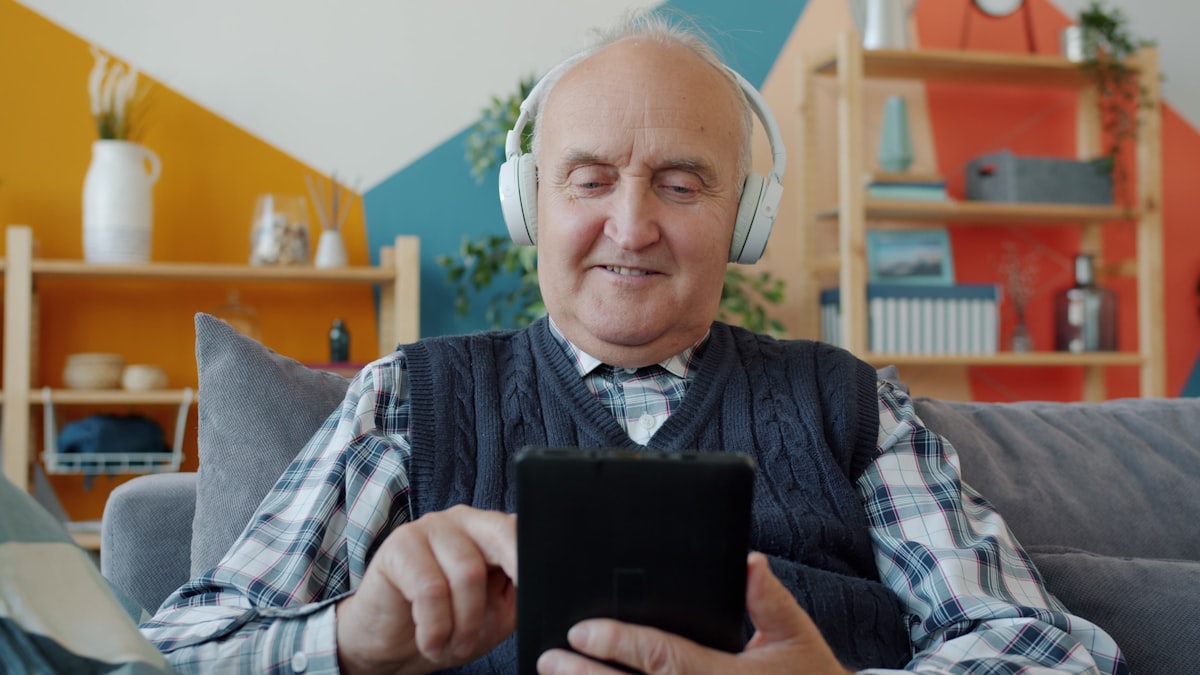
Senior listening to music with headphones
Photo by Vitaly Gariev on Unsplash

This guide covers the best audio players and music therapy tools for dementia care, the research behind why music works, and practical advice on building a personalized music program for your parent.

The Science Behind Music and Dementia

Music engages multiple brain regions simultaneously — auditory cortex, motor cortex, emotional centers, and memory networks. In Alzheimer’s disease, the medial prefrontal cortex (which processes familiar music and autobiographical memories) shows relative preservation even in advanced stages. This is why a person who cannot remember their spouse’s name can still sing along to “Moon River” or “Amazing Grace.”

Published research has documented several specific benefits of music for dementia patients:

  • Reduced agitation and anxiety: Multiple clinical studies have found that personalized music listening reduces agitation scores in dementia patients, sometimes as effectively as anti-anxiety medication, but without the sedation, fall risk, and cognitive dulling that medications cause.
  • Improved mood: Familiar music triggers emotional responses and positive memories, lifting mood even when the person cannot articulate why they feel better.
  • Social engagement: Music encourages singing, tapping, clapping, and movement — forms of social interaction that persist even when conversation has become impossible.
  • Reduced sundowning symptoms: Playing calm, familiar music during late afternoon can reduce the late-day agitation and confusion known as sundowning.
  • Better sleep: Soft, familiar music at bedtime has been shown to improve sleep quality in dementia patients in care facility studies.

The key word in all of this research is personalized. Generic “relaxation music” does not produce the same results as music that is personally meaningful to the individual. The songs that work best are the ones from the person’s formative years — typically ages 15-25 — when musical memories are most deeply encoded.

Best Music Players for Dementia Patients

The player matters almost as much as the music. A standard smartphone or streaming service is useless for someone with dementia — too many steps, too many options, too much cognitive demand. The best music players for dementia patients are simple, durable, and require one action (or no action) to start playing.

PlayerTypeBest ForPrice Range
Simple Music Player (Mighty, SanDisk Clip)MP3 playerPersonalized playlists, headphone use$30-$80
One-Button MP3 PlayersDedicated deviceMinimal cognitive demand$20-$50
Amazon Echo / Smart SpeakerVoice-activatedBackground music, voice commands$25-$100
Bluetooth Speaker with Preloaded MusicPortable speakerGroup listening, room audio$20-$60
SingFit PRIMEGuided music therapy appStructured therapeutic sessionsSubscription-based

1. Simple MP3 Players (Mighty Vibe, SanDisk Clip) — Best for Personal Listening

A small, screenless MP3 player loaded with personalized music is one of the most effective and affordable music therapy tools available. You load the player with 50-100 songs from the person’s formative years, clip it to their clothing, connect headphones, and press play. No screens to navigate, no decisions to make, no Wi-Fi required.

The Mighty Vibe was originally designed for Spotify users who wanted to listen without a phone, but it also works as a simple MP3 player for pre-loaded music. The SanDisk Clip series has been a reliable budget MP3 player for years and is still available in its basic form.

Pros:

  • Small, lightweight, clips to clothing
  • No screen navigation needed — play/pause and volume buttons only
  • Long battery life (5-8 hours typical)
  • Headphone listening reduces environmental noise
  • No monthly fees
  • One-time purchase plus cost of music

Cons:

  • Requires setup by caregiver (loading music, creating playlists)
  • Headphone wires can be a tangling/safety hazard
  • Person may remove headphones or lose the player
  • Battery needs regular charging

Safety note: Use over-ear headphones rather than earbuds for dementia patients. Earbuds can be removed and put in the mouth, and they are easy to lose. Over-ear headphones stay in place better and are more comfortable for extended listening. Wireless Bluetooth headphones eliminate cord hazards but add the complexity of pairing.

Browse simple MP3 players on Amazon

2. One-Button Music Players — Simplest Possible Option

Several companies make music players designed specifically for seniors or dementia patients that feature a single large button: press it to start music, press it again to stop. No volume controls, no track skipping, no screens. The caregiver loads music via USB, sets the volume, and the person gets one button to push. These are ideal for mid-to-late stage dementia when even a play/pause/volume interface is too complex.

Look for models marketed as “one-button MP3 players” or “simple music players for elderly.” Several small manufacturers produce these specifically for the dementia care market.

Browse one-button music players on Amazon

3. Amazon Echo / Smart Speakers — Best for Background Music

A smart speaker like the Amazon Echo provides hands-free music playback through voice commands (“Alexa, play Frank Sinatra”) or caregiver-initiated playback through the app. For caregivers who want music playing in the background during meals, bath time, or agitated periods, a smart speaker is convenient and requires zero effort from the person with dementia.

Pros:

  • Voice activation — no buttons or screens needed
  • Caregiver can start music remotely through the app
  • Fills the room with sound (no headphones needed)
  • Access to streaming music libraries (with subscription)
  • Can also serve as timer, reminder, and intercom

Cons:

  • Requires Wi-Fi
  • Requires music streaming subscription for full library
  • Voice commands may confuse the person (“who is talking?”)
  • Cannot create truly personalized playlists without some effort
  • Always-listening device raises privacy questions

Tip: Set up a playlist of their favorite songs in the Alexa app and create a routine that plays it at a specific time each day. This way, music starts automatically without anyone needing to say or do anything. Afternoon is often the best time — it can help prevent sundowning symptoms.

Browse Amazon Echo speakers on Amazon

4. Portable Bluetooth Speakers with Preloaded SD Card — Best Budget Room Audio

A small Bluetooth speaker with an SD card slot offers a simpler alternative to smart speakers. Load an SD card with the person’s favorite music, insert it into the speaker, and press play. No Wi-Fi, no voice commands, no subscriptions. Many portable speakers have surprisingly good sound quality and battery life that lasts all day.

This is a particularly good option for people in care facilities where you cannot install smart home devices but want music available. Drop off the speaker with a loaded SD card, show the staff the play button, and music is available anytime.

Browse portable speakers with SD card on Amazon

5. SingFit PRIME — Best Guided Music Therapy Program

SingFit PRIME is a subscription-based app designed specifically for music therapy in dementia care. It provides guided music sessions with lyrics displayed on screen, sing-along encouragement, and therapeutic exercises built around familiar songs. The sessions are structured by a certified music therapist and designed to be led by a caregiver without any musical training.

It is more expensive than simply playing music (subscription-based), but the structured approach produces more consistent therapeutic outcomes than passive listening. If your parent responds to music and you want to maximize the benefit, SingFit provides a framework for doing so.

Search SingFit on Amazon

Building a Personalized Music Playlist

The single most important factor in music therapy effectiveness is personalization. Generic “calming music” or random oldies stations do not work nearly as well as songs that are personally meaningful. Here is how to build the right playlist:

  1. Focus on ages 15-25. Musical memories from adolescence and early adulthood are the most deeply encoded. For someone born in 1945, that means music from roughly 1960-1970.
  2. Ask family members. What songs did they always sing? What was playing at their wedding? What did they listen to in the car? What radio stations did they prefer?
  3. Include religious music if relevant. Hymns and worship songs are deeply encoded for many people and can provide comfort even in very late stages.
  4. Start with 30-50 songs. A playlist that is too long becomes random background noise. Curate a manageable list of genuinely meaningful songs.
  5. Watch for negative reactions. Not all memories are positive. If a song causes visible distress, agitation, or crying, remove it from the playlist. Music can trigger painful memories as easily as happy ones.
  6. Mix tempos. Upbeat songs for daytime energy and engagement. Slower, softer songs for bedtime and agitated periods.
  7. Include songs with lyrics they know. Singing along — even just mouthing words — engages more brain regions than passive listening and produces stronger therapeutic effects.

Headphones for Dementia Patients

If using headphones rather than a speaker, choose carefully:

  • Over-ear, cushioned headphones are the best option. They stay on the head, do not go in the mouth, and are comfortable for extended wear. Look for lightweight models with soft padding.
  • Wireless headphones eliminate cord hazards but require charging and Bluetooth pairing. If the caregiver manages the pairing, wireless models like the JBL Tune series offer good sound at reasonable prices.
  • Volume-limiting headphones are worth considering. Many seniors turn volume up to dangerous levels to compensate for hearing loss. Headphones with a built-in volume limiter (originally designed for children) can prevent hearing damage.
  • Avoid earbuds entirely for dementia patients. They fall out, get lost, and can be a choking hazard.

Browse over-ear headphones on Amazon

When and How to Use Music Therapy

  • During agitated periods: Start music at the first sign of agitation, before it escalates. Familiar music can redirect attention and de-escalate anxiety within minutes.
  • During personal care: Play music during bathing, dressing, or diaper changes to reduce resistance. Familiar songs create a calming association with otherwise stressful activities.
  • Before and during meals: Soft background music during meals can increase food intake and reduce mealtime agitation.
  • Late afternoon (pre-sundowning): Starting a familiar playlist around 3-4 PM can reduce the intensity of sundowning symptoms.
  • At bedtime: A short playlist of slow, familiar songs played at low volume can improve sleep onset.
  • During visits: Music gives family visitors something to share and talk about, making visits more meaningful when conversation is difficult.

The Bottom Line

Music is the most underused tool in dementia care. It requires no prescription, has no side effects, costs almost nothing once you have a player and a playlist, and produces measurable improvements in agitation, mood, and quality of life. The documentary “Alive Inside” (available on streaming services) powerfully demonstrates what music can do for people with advanced dementia — it is worth watching before you start building your parent’s playlist.

Start simple: load a clip-on MP3 player or SD card speaker with songs from their youth and play it during an agitated period. Watch what happens. If you see a response — and you almost certainly will — you have found one of the most powerful and humane interventions in your caregiving toolkit.

Colorful adult coloring book pages with colored pencils for brain stimulation and relaxation
Photo by Cottonbro Studio / Pexels (CC0)
There is something quietly powerful about picking up a colored pencil and filling in a design. It seems simple — almost childlike — and that simplicity is precisely what makes coloring such an effective brain health tool for older adults. In a world that constantly demands multitasking, decision-making, and digital engagement, coloring offers the brain something it desperately needs: sustained, focused, low-stress activity that engages multiple cognitive systems simultaneously. This is not nostalgia or wishful thinking. A growing body of peer-reviewed research shows that coloring — a form of structured art-making — measurably reduces stress hormones, improves fine motor coordination, activates regions of the brain involved in focus and creativity, and produces a meditative state that supports emotional regulation and cognitive resilience. For seniors, who face the dual challenges of age-related cognitive decline and increasing stress vulnerability, coloring represents an accessible, affordable, and genuinely therapeutic daily practice. In this guide, we will explore what the science says about coloring and brain health, explain what to look for in a coloring book designed for older adults, and review ten of the best coloring books available in 2026.
Key Takeaways
>
  • Coloring activates multiple brain regions simultaneously, including the prefrontal cortex, parietal lobes, and amygdala, providing a comprehensive cognitive workout.
  • Research published in peer-reviewed journals has shown that structured coloring significantly reduces anxiety and cortisol levels — comparable to meditation in some studies.
  • Fine motor engagement during coloring helps maintain hand-eye coordination, grip strength, and dexterity — critical functions that decline with age.
  • For seniors, large-print designs with varied complexity levels offer the best balance of accessibility and cognitive stimulation.
  • Consistency matters more than duration. Even 15 to 20 minutes of daily coloring produces measurable benefits.

The Science of Coloring and Brain Health

Coloring Reduces Anxiety and Cortisol

The most well-established benefit of coloring is its effect on stress and anxiety. A foundational 2005 study published in Art Therapy: Journal of the American Art Therapy Association by Nancy Curry and Tim Kasser compared three conditions: coloring a mandala (a complex geometric design), coloring a plaid pattern, and free-form drawing on a blank page. Participants who colored mandalas showed significantly greater reductions in anxiety than those in either other condition (Curry & Kasser, 2005). This finding has been replicated and extended multiple times. A 2012 study published in the same journal by Vennet and Serice confirmed that coloring structured geometric patterns — mandalas and plaid designs alike — significantly reduced anxiety compared to unstructured coloring, and that the effect was comparable across both pattern types (Vennet & Serice, 2012). More recently, a 2017 study published in Empirical Studies of the Arts found that just 20 minutes of coloring a mandala significantly reduced self-reported anxiety in a sample of undergraduate students, and that the anxiety reduction persisted beyond the coloring session itself (Babouchkina & Robbins, 2017). While this study was conducted with younger adults, the stress-reduction mechanisms — focused attention, repetitive motor activity, and visual engagement — are universal and, if anything, more valuable for older adults whose stress resilience has been eroded by age-related neurochemical changes. The cortisol connection is particularly important for seniors. Chronic elevated cortisol damages the hippocampus — the brain’s memory center — and is a well-established risk factor for Alzheimer’s disease and other dementias. A 2016 study published in The Arts in Psychotherapy found that just 45 minutes of art-making (including coloring) significantly reduced cortisol levels in 75% of participants, regardless of prior art experience (Kaimal et al., 2016). The researchers concluded that creative expression activates reward pathways that counteract the biological stress response.

Coloring Engages Multiple Brain Regions

When you color, your brain is far busier than it might seem. Neuroimaging research has identified several brain regions that activate during coloring and similar visuo-motor activities: Prefrontal cortex. Selecting colors, planning which areas to fill, and making aesthetic decisions all engage the prefrontal cortex — the brain’s center for executive function, judgment, and planning. This is the same region that atrophies early in many forms of dementia, making any activity that exercises it valuable for neuroprotection. Parietal lobes. Staying within the lines, perceiving spatial relationships between design elements, and coordinating hand movements with visual targets all require parietal lobe processing. The parietal lobes handle spatial awareness, visual-motor integration, and attention allocation. Motor cortex and cerebellum. The fine motor movements involved in coloring — gripping the pencil, controlling pressure, making precise strokes — engage the primary motor cortex and cerebellum. For seniors, maintaining these neural pathways is essential for preserving handwriting ability, self-care skills, and overall hand function. Amygdala. Research suggests that focused creative activity dampens amygdala activation — the brain’s fear and stress response center. A 2018 study published in Behavioural Brain Research by Bolwerk and colleagues found that visual art production (compared to passive art appreciation) reduced functional connectivity between the amygdala and stress-related brain regions, effectively lowering the brain’s baseline anxiety level (Bolwerk et al., 2014). Default mode network. Coloring appears to modulate activity in the default mode network (DMN) — the brain system that activates during mind-wandering and self-referential thought. Overactivity of the DMN is associated with rumination, anxiety, and depression. Focused coloring, like meditation, brings DMN activity into a healthier range — engaged enough for creativity but quieted from the anxious over-processing that can characterize aging and cognitive decline.

Fine Motor Skills and Cognitive Health

The connection between hand dexterity and brain health runs deeper than most people realize. Fine motor skills — the precise, coordinated movements of the fingers and hands — are controlled by extensive neural networks that overlap significantly with those supporting cognitive function. A 2017 study published in Neurology followed over 2,000 adults over age 50 and found that declining fine motor function was an early predictor of cognitive decline, often appearing years before memory problems became noticeable (Buchman et al., 2017). This suggests that the neural pathways supporting fine motor control and cognition are deeply interconnected, and that activities preserving one may help preserve the other. Coloring is an ideal fine motor exercise for seniors because it is self-paced, non-competitive, and adjustable in difficulty. A simple large-print floral design requires less precision than an intricate mandala, allowing each person to work at a level that is challenging but not frustrating. The repetitive nature of the movements also builds muscle memory and strengthens neural pathways through repeated activation. For seniors with early signs of arthritis, tremor, or reduced grip strength, regular coloring provides gentle exercise for the small muscles and joints of the hand, potentially slowing the loss of functional independence that often accompanies these conditions.

Coloring as Mindfulness Practice

Mindfulness — the practice of maintaining focused, non-judgmental awareness of the present moment — is one of the most thoroughly researched interventions for brain health in older adults. A 2014 systematic review published in Neuropsychology Review found that mindfulness-based interventions improved attention, executive function, memory, and processing speed in older adults (Prakash et al., 2014). Coloring naturally produces a mindfulness state. When you are focused on selecting a color, matching it to a section of the design, and carefully filling in the space, your attention is anchored to the present moment. There is no past to ruminate about and no future to worry about — there is only the page, the pencil, and the color. This state closely parallels what meditation researchers call “focused attention meditation,” and it may be more accessible for seniors who find traditional sitting meditation difficult or uncomfortable. A 2020 study published in Frontiers in Psychology examined whether coloring mandalas produced psychological outcomes comparable to formal mindfulness meditation. The researchers found that both activities similarly reduced negative affect and increased mindfulness state, with coloring being reported as more enjoyable and accessible by participants (Carsley & Heath, 2020). For seniors who are resistant to meditation — perhaps finding it too abstract or too challenging to quiet their minds — coloring offers a back door into the same brain-health benefits.

Art Therapy and Dementia

For seniors already experiencing cognitive decline, the evidence for art-based interventions is particularly encouraging. A 2019 systematic review published in The Gerontologist examined 11 studies on art therapy interventions for people with dementia and found consistent evidence of improvements in attention, engagement, pleasure, and reduced behavioral symptoms such as agitation and wandering (Masika et al., 2020). A 2018 study published in the Journal of the American Medical Directors Association found that a structured art program — which included coloring, painting, and drawing — significantly improved cognitive function scores and reduced depression in nursing home residents with mild to moderate dementia (Hattori et al., 2011). While these are facilitated therapy programs rather than independent coloring, they establish that the cognitive engagement required by visual art-making benefits brains at all stages of the aging spectrum.

What to Look for in a Coloring Book for Seniors

Not all coloring books are created equal, and seniors have specific needs that differ from the typical adult coloring book market, which tends to favor extremely intricate designs printed in standard size. Here is what matters most:

Large Print Designs

Age-related vision changes — including reduced contrast sensitivity, presbyopia, and macular changes — make small, finely detailed designs frustrating or impossible for many seniors. Look for coloring books that specifically advertise large-print designs with thick outlines and generous spacing between elements. The ideal design should be visible and color-able without magnification for someone wearing standard reading glasses.

Varied Complexity

The best coloring books for brain health offer a range of complexity within a single volume. Simpler designs with larger spaces provide a relaxing, low-demand experience for days when energy or focus is limited. More intricate patterns offer greater cognitive stimulation when the person is feeling sharp and engaged. This variety also supports progressive challenge — a key principle for maintaining cognitive benefit over time.

Single-Sided Printing

Coloring books printed on only one side of each page prevent bleed-through from markers and allow pages to be removed and framed or displayed. For seniors in care settings, displaying their completed work provides a sense of accomplishment and visual stimulation in their environment.

Quality Paper

Thicker paper (at least 60-pound weight) holds up better to colored pencils and markers without tearing, buckling, or bleeding. This matters more than many people realize — poor paper quality can make the coloring experience frustrating, especially for seniors with reduced motor control who may press harder than intended.

Subject Matter

Subject matter should be meaningful and uplifting. Nature scenes (flowers, birds, gardens, landscapes), animals, seasonal themes, and decorative patterns tend to resonate well with older adults. Avoid overly abstract or trendy designs that may feel alienating. The emotional response to the subject matter matters because positive emotions enhance the stress-reduction benefit.

Binding Quality

Spiral binding or lay-flat binding is significantly easier for seniors than perfect-bound (glued spine) books, which resist lying flat and require constant hand pressure to keep open. Lay-flat design allows the person to focus entirely on coloring rather than wrestling with the book.

Coloring Supplies for Seniors: A Quick Guide

Before reviewing the books, a brief note on supplies. The right tools make a significant difference in the coloring experience for older adults: Colored pencils are generally the best choice for seniors. They offer good control, do not bleed through paper, and are available in ergonomic barrel shapes for arthritic hands. Prismacolor Premier and Faber-Castell Polychromos are excellent but expensive. For everyday use, Crayola Colored Pencils or Staedtler Ergosoft (which have a triangular grip designed for comfort) are effective and affordable. Gel pens provide bright color with minimal pressure but can bleed through thin paper. They are a good option for seniors who find the pressure required for colored pencils fatiguing. Markers offer the boldest results but bleed through most papers. If using markers, choose a book with single-sided printing and heavy paper. Ergonomic grips — rubber sleeves that slide over pencils and pens — can make any standard coloring tool more comfortable for seniors with arthritis, tremor, or reduced grip strength. They are inexpensive and widely available.

The 10 Best Coloring Books for Seniors in 2026

1. Large Print Coloring Book for Adults: Beautiful Flower Patterns — Best Overall for Seniors

This large-print coloring book focuses on floral designs specifically formatted for older adults and people with visual impairments. The designs feature thick, clearly defined outlines with generous spaces that are easy to fill without requiring fine motor precision. Each page contains a single flower-themed design — roses, sunflowers, tulips, daisies, and garden bouquets — printed on one side of high-quality white paper. The complexity is moderate, making it suitable for both beginners and those with some coloring experience. The floral subject matter is universally appealing and has been shown in horticultural therapy research to evoke positive emotions and reduce agitation in older adults. The designs are large enough to be easily visible for seniors wearing reading glasses, eliminating the eye strain that smaller designs can cause. At 50 pages, this book provides weeks of daily coloring sessions. The single-sided printing means that markers can be used without worry, and completed pages can be carefully removed for display. Why it is great for brain health: The large, clear designs reduce frustration while still requiring color selection decisions, spatial planning, and fine motor control — all cognitive tasks that exercise the brain. The floral themes support positive emotional engagement, which research shows enhances the stress-reduction benefit of coloring. View Large Print Flower Coloring Book for Adults on Amazon

2. Color Me Calm: 100 Coloring Templates for Meditation and Relaxation by Lacy Mucklow — Best for Mindfulness

Color Me Calm is organized around seven therapeutic themes: tranquility, calm, serenity, contentment, bliss, peace, and harmony. Each section features designs specifically chosen to promote relaxation, including mandalas, nature scenes, water patterns, and organic flowing shapes. The author, Lacy Mucklow, is a board-certified art therapist, which means the design choices are informed by clinical knowledge about what visual patterns produce the strongest relaxation responses. The designs range from moderately simple to moderately complex, providing enough variety to match different energy levels and moods. The pages are printed on artist-quality paper that handles colored pencils and fine-tip markers without bleeding. While not specifically marketed as a large-print book, the designs are generally spacious enough for most seniors to work with comfortably. What distinguishes this book from purely decorative coloring books is the intentional therapeutic structure. The guided themes encourage the colorist to engage emotionally with each section, deepening the mindfulness effect. Brief introductions to each theme provide context that helps frame the coloring session as a relaxation practice rather than just an activity. Why it is great for brain health: The therapeutic organization by an art therapist means every design is selected for its psychological impact, not just its visual appeal. The thematic structure encourages intentional engagement, which research shows deepens the mindfulness benefit. The range of complexity supports cognitive stimulation at multiple levels. View Color Me Calm by Lacy Mucklow on Amazon

3. Easy Coloring Book for Adults: Large Print Designs — Best for Beginners and Low Vision

This book is designed specifically for adults who need extra-large designs with very thick outlines and maximum simplicity. The patterns include basic floral shapes, butterflies, hearts, stars, and simple geometric forms — each one occupying a full page with abundant space between elements. For seniors with macular degeneration, cataracts, or other significant vision impairments, this level of visual clarity is essential. The simplicity of the designs should not be mistaken for a lack of cognitive benefit. Color selection, planning which areas to fill first, and maintaining consistent pressure all engage the brain’s executive function and motor planning systems. For seniors with more advanced cognitive decline, simple designs are actually preferable because they eliminate the frustration and confusion that complex patterns can cause, allowing the person to focus on the meditative and motor benefits of the activity. The paper quality is good, with each design printed on a single side. The pages are perforated for easy removal, which is a thoughtful touch for care settings where completed work may be displayed on walls or sent to family members. Why it is great for brain health: Accessibility is the foundation of consistency, and consistency is the key to cognitive benefit. By removing barriers related to vision, dexterity, and complexity, this book makes daily coloring practice achievable for seniors who would be frustrated by standard adult coloring books. The perforated pages add a sense of accomplishment when completed works are displayed. View Easy Large Print Coloring Book for Adults on Amazon

4. Mandala Coloring Book for Seniors: Large Print Mandalas — Best for Cognitive Stimulation

Mandalas — circular geometric designs with repeating patterns radiating from a center point — are the most extensively studied coloring pattern in art therapy research. The Curry and Kasser study that established coloring’s anxiety-reducing effects specifically used mandalas, and subsequent research has consistently confirmed their therapeutic superiority over unstructured designs. This large-print mandala book features 50 mandala designs sized to fill an entire page, with patterns ranging from relatively simple (ideal for shorter sessions or lower energy days) to moderately complex (offering a more challenging cognitive workout). The circular structure of mandalas naturally draws the eye inward, creating a focusing effect that supports meditative attention. The designs use thick outlines suitable for seniors with moderate vision changes, though some of the more complex designs do include finer details that require reasonable close-up vision. The single-sided printing on heavyweight paper accommodates both colored pencils and markers. Mandala coloring has a unique cognitive property: the symmetrical, repeating structure creates a pattern-recognition task that engages the brain’s visual processing and spatial reasoning systems. At the same time, the decision about which colors to use and where to place them engages creative thinking and planning. This combination of structured and unstructured cognitive demands is ideal for brain health. Why it is great for brain health: Mandalas have the strongest research support for anxiety reduction and mindfulness induction of any coloring pattern. The large-print format makes the clinically proven benefits of mandala coloring accessible to seniors. The range of complexity levels within the book allows progressive challenge. View Large Print Mandala Coloring Book for Seniors on Amazon

5. Creative Haven Nature Scenes to Color by Dot Barlowe — Best Nature Scenes

The Creative Haven series from Dover Publications is one of the most respected names in adult coloring books, and this nature-themed volume is particularly well-suited for seniors interested in the cognitive and emotional benefits of nature imagery. The designs feature gardens, woodland paths, mountain streams, meadow flowers, and forest scenes — imagery that research consistently associates with reduced stress and improved mood. A concept called “attention restoration theory,” proposed by psychologists Rachel and Stephen Kaplan, suggests that natural environments and images of nature allow the brain’s directed attention system to rest and recover, reducing mental fatigue and improving subsequent cognitive performance (Kaplan, 1995, Environment and Behavior). Coloring nature scenes combines this restorative effect with the active cognitive engagement of the coloring task itself. The designs in this book are moderately detailed — more complex than beginner books but not as intricate as some Dover offerings. The line quality is excellent, with clean, precise outlines that colored pencils glide along smoothly. Pages are printed on one side of white paper stock that handles most media well. The Creative Haven format provides 31 designs — roughly one per day for a month-long coloring practice. This built-in structure can help seniors establish a daily routine, which is itself beneficial for cognitive health. Why it is great for brain health: Nature imagery provides a documented restorative effect on attention and cognitive function, compounding the benefits of the coloring activity itself. The moderate complexity level provides meaningful cognitive stimulation without overwhelming seniors. The monthly structure supports habit formation. View Creative Haven Nature Scenes to Color on Amazon

6. Colorful Blessings: Inspirational Coloring Book — Best for Emotional Well-Being

This coloring book combines decorative patterns with inspirational words and phrases, creating an experience that engages both visual-spatial processing and language comprehension — two distinct cognitive systems. Each page features a short uplifting message (“Be Still and Know,” “Count Your Blessings,” “Joy Comes in the Morning”) surrounded by elaborate decorative patterns including florals, scrollwork, and geometric elements. The inclusion of text adds a cognitive dimension that pure pattern books lack. Reading and processing the inspirational messages activates the brain’s language networks (Broca’s and Wernicke’s areas), while coloring the surrounding designs engages visual-spatial and motor systems. This cross-domain activation is particularly valuable for brain health because it strengthens connections between different brain regions — a form of neural integration that becomes increasingly important as aging naturally weakens these connections. The designs vary in complexity, with some pages featuring simpler patterns around the text and others offering intricate borders and backgrounds. The book uses quality paper suitable for colored pencils and most fine-tip markers. For seniors in care settings or those experiencing grief, loneliness, or health challenges, the inspirational content provides genuine emotional comfort. Research published in The Gerontologist has shown that positive emotional states support cognitive resilience in older adults, meaning that anything that reliably improves mood also indirectly supports brain function (Hittner et al., 2020). Why it is great for brain health: The combination of text reading and pattern coloring activates multiple cognitive domains simultaneously, providing a more comprehensive brain workout than pattern-only books. The positive emotional content supports mood regulation, which research links to better cognitive outcomes in aging. View Colorful Blessings Inspirational Coloring Book on Amazon

7. World of Flowers by Johanna Basford — Best for Experienced Colorists

Johanna Basford is widely credited with launching the adult coloring book phenomenon with her 2013 bestseller Secret Garden, and her subsequent books have refined the art form to an extraordinary level. World of Flowers features her signature intricate botanical illustrations — detailed flower arrangements, blooming gardens, and ornamental plant designs drawn with stunning precision. This book is more complex than the other recommendations on this list, and it requires good close-up vision and reasonable hand dexterity. It is included because experienced colorists — seniors who have been coloring regularly and are ready for greater challenge — need designs complex enough to provide genuine cognitive stimulation. If a design is too simple, the brain can complete it on autopilot without the focused attention that produces therapeutic benefit. Progressive challenge is a well-established principle in cognitive health: the brain benefits most from tasks that are difficult enough to require effort but not so difficult as to cause frustration (what psychologists call the “zone of proximal development”). Basford’s designs use fine lines and intricate detail, which means colored pencils are the recommended medium. The paper quality is excellent — thick, smooth, and resistant to bleed-through. Each page is single-sided with perforations for removal. Why it is great for brain health: For seniors with good vision and established coloring habits, this book provides the level of complexity needed to keep the brain genuinely engaged. The botanical subject matter is appealing, and the progressive challenge from simpler to more intricate pages supports ongoing cognitive growth. This is not a starter book — it is a book that rewards and challenges experienced colorists. View World of Flowers by Johanna Basford on Amazon

8. Large Print Color by Number for Adults: Birds and Flowers — Best for Structured Cognitive Exercise

Color-by-number books add an explicit cognitive layer to the coloring experience. Each section of the design is labeled with a number corresponding to a specific color. The colorist must read the number, reference the color key, identify the correct colored pencil, and then apply it to the designated area. This sequence engages working memory (holding the number-color association in mind), visual scanning (finding numbered sections), and inhibitory control (resisting the urge to use a preferred color instead of the assigned one). This particular book features bird and flower designs in large print format, with clearly legible numbers and a prominently displayed color key on each page. The designs are moderately detailed with large enough sections that fine motor precision is not a barrier. The bird and flower subjects are engaging and familiar, providing positive emotional context. For seniors with mild cognitive impairment (MCI) or early-stage dementia, color-by-number books provide gentle cognitive exercise in a non-threatening, non-clinical format. The structured nature of the task reduces the decision-making burden (which colors to use where) while increasing the working memory demand — a trade-off that is often therapeutic for this population. Occupational therapists frequently recommend color-by-number activities as part of cognitive rehabilitation programs, validating their role as more than simple entertainment. Why it is great for brain health: The number-matching task adds working memory and executive function demands beyond what free-choice coloring provides. The structured format is particularly beneficial for seniors with mild cognitive impairment, providing cognitive exercise without the frustration of open-ended decision-making. Large-print numbers and designs maintain accessibility. View Large Print Color by Number Birds and Flowers on Amazon

9. Peaceful Patterns: A Coloring Book for Adults Featuring Relaxing Designs — Best for Daily Practice

This coloring book features a collection of repeating patterns — tessellations, geometric mosaics, Celtic knots, and ornamental tile designs — that are specifically chosen for their rhythmic, meditative quality. Repeating patterns induce a state that psychologists call “flow” — complete absorption in an activity with a loss of self-consciousness and a distorted sense of time — which has been extensively linked to well-being and cognitive function. Hungarian psychologist Mihaly Csikszentmihalyi’s research on flow states demonstrated that activities producing flow are associated with improved attention, enhanced creativity, and greater life satisfaction (Csikszentmihalyi, 1990). Repeating patterns are ideal flow triggers because they balance skill and challenge: the colorist knows what to do (fill in the pattern) but must maintain enough attention to stay within the lines, select harmonious colors, and maintain consistency across the repeating elements. The designs in this book are moderately sized — smaller than large-print books but larger than standard adult coloring books — making them accessible to most seniors with standard reading glasses. The patterns are varied in complexity, from simple grid-based designs to more elaborate interlocking shapes. The book contains 60 designs — enough for two months of daily practice — and the consistent pattern-based format makes it easy to establish a routine. Many seniors find that pattern coloring becomes their preferred meditation substitute because the rhythmic, repetitive nature of the activity naturally quiets mental chatter. Why it is great for brain health: Repeating patterns are uniquely effective at inducing flow states, which research associates with improved attention and well-being. The 60-design volume supports sustained daily practice over two months. The rhythmic quality of pattern coloring functions as a mindfulness exercise that many seniors find more accessible than traditional meditation. View Peaceful Patterns Coloring Book for Adults on Amazon

10. Coloring Book for Seniors with Dementia: Bold and Easy Designs — Best for Advanced Cognitive Decline

This coloring book is specifically designed for seniors with moderate to advanced dementia, and its design philosophy reflects a deep understanding of what this population needs. The designs are extremely simple — basic shapes, familiar objects (cups, houses, apples, flowers, butterflies), and bold, thick outlines that are easy to see and follow. The shapes are large enough that a person with significant motor impairment can color within them without difficulty. Each page features a single, recognizable image rather than an abstract pattern. This matters for people with dementia because familiar, concrete images can activate long-term semantic memory — the stored knowledge about objects and their meaning — even when episodic memory (memory for personal experiences) has significantly declined. A picture of a sunflower might evoke memories of gardening; a picture of a cat might evoke memories of a beloved pet. These moments of connection are cognitively and emotionally meaningful. The paper is thick and durable, designed to withstand heavier pressure from uncontrolled motor movements. The binding is designed to lay flat, eliminating the need for the person to hold the book open. The simple designs mean that a completed page can be achieved in a single sitting, providing a sense of accomplishment that is critically important for people whose daily experience is often one of confusion and inability. This book is primarily recommended for caregivers, family members, and care facility activity directors who are looking for meaningful engagement activities for seniors with significant cognitive decline. It should not be considered condescending — it is clinically informed design that respects both the limitations and the remaining capabilities of people with dementia. Why it is great for brain health: For seniors with moderate to advanced dementia, the goal shifts from cognitive improvement to cognitive engagement, emotional connection, and maintained quality of life. These bold, simple designs achieve all three by providing a manageable activity that activates remaining cognitive and motor pathways. Caregivers consistently report that coloring reduces agitation, improves mood, and creates opportunities for shared positive interaction. View Coloring Book for Seniors with Dementia on Amazon

Comparison Table

FeatureLarge Print FlowersColor Me CalmEasy Large PrintMandala Large PrintNature ScenesInspirationalWorld of FlowersColor by NumberPeaceful PatternsDementia Bold
Design SizeExtra LargeStandard-LargeExtra LargeLargeStandardStandard-LargeStandardLargeMedium-LargeExtra Large
ComplexityLow-MediumMediumVery LowLow-HighMediumLow-MediumHighMediumMediumVery Low
Outline ThicknessThickMediumVery ThickThickMediumMediumFineThickMediumVery Thick
Single-SidedYesYesYesYesYesYesYesYesYesYes
Number of Designs5010040+503145+7240+6030+
Best ForMost seniorsMindfulnessLow vision/beginnersFocused practiceNature loversEmotional supportExperienced coloristsWorking memoryDaily routineDementia care

How to Use Coloring for Maximum Brain Health Benefit

Owning a coloring book is just the first step. How you use it matters. Here are evidence-based strategies for maximizing the cognitive and emotional benefits of coloring:

Establish a Daily Practice

Consistency is more important than duration. Research on cognitive interventions consistently shows that daily practice — even in short sessions — produces greater benefit than occasional longer sessions. Aim for 15 to 30 minutes of coloring at the same time each day. Many people find that coloring after lunch or in the early evening is most beneficial, as these are times when stress levels tend to be higher and energy for more demanding activities may be lower.

Create a Dedicated Space

The environment matters. Set up a well-lit coloring station with a comfortable chair, a flat surface at a comfortable height, good overhead and task lighting, and your supplies organized and within easy reach. Adequate lighting is essential — poor lighting increases eye strain and reduces the enjoyment and visual accuracy of the coloring experience. A daylight-spectrum desk lamp positioned to eliminate shadows on the coloring surface is ideal.

Minimize Distractions

Turn off the television, silence your phone, and let household members know you are coloring. The brain health benefits of coloring come largely from focused attention, and interruptions break the meditative state that produces the deepest relaxation and cognitive engagement. If you enjoy background sound, consider quiet instrumental music or nature sounds, which have been shown to support relaxation without demanding attentional resources.

Choose Your Complexity Thoughtfully

Match the design complexity to your current state. On days when you feel sharp and focused, reach for a more intricate design that will challenge your attention and motor control. On days when you feel tired, stressed, or scattered, choose a simpler design that allows you to enter a relaxed flow state without frustration. Both levels of complexity provide brain health benefits — just different ones.

Color with Others

Social engagement is one of the most powerful predictors of cognitive health in aging. Coloring is an ideal social activity because it does not require competitive skill, it allows for conversation during the activity, and it provides natural conversation starters (“What colors are you using?” “Show me your finished page”). Coloring groups are increasingly available at senior centers, libraries, and community organizations. If none exists in your area, consider starting one — it requires nothing more than a table, some coloring books, shared supplies, and willing participants.

Combine with Other Brain Health Practices

Coloring pairs naturally with other evidence-based brain health activities. Try listening to music while coloring (music activates memory and emotion circuits while coloring engages motor and visual systems). Follow a coloring session with a brief walk (exercise increases BDNF, the brain-growth protein). Or use coloring as a wind-down activity before a brain-training game or puzzle, using the relaxation effect to reduce anxiety that might otherwise impair cognitive performance.

Frequently Asked Questions

Is coloring really beneficial for brain health, or is it just relaxing? Both. The relaxation effect of coloring is itself beneficial for brain health because chronic stress damages the hippocampus and accelerates cognitive decline. But coloring also provides active cognitive benefits beyond relaxation: it exercises fine motor pathways, engages spatial reasoning, requires executive function (planning, decision-making, attention control), and produces mindfulness states associated with improved neural connectivity. The research literature supports coloring as both a stress-reduction and a cognitive-stimulation activity. How long should I color each day for brain health benefits? Research suggests that 20 to 30 minutes is sufficient to produce measurable reductions in anxiety and cortisol. However, even 10 to 15 minutes provides benefit, and longer sessions (45 minutes to an hour) can deepen the flow state and meditative effects. The most important factor is consistency — daily coloring produces greater benefit than occasional long sessions. Are colored pencils or markers better for seniors? Colored pencils are generally recommended for seniors because they require less precision than markers (which can bleed outside lines), do not bleed through paper, and are available in ergonomic shapes for arthritic hands. However, gel pens and markers provide brighter color with less pressure, which may be preferable for seniors with limited grip strength. The best tool is whichever one the person enjoys using, because enjoyment supports consistency. Can coloring help someone with dementia? Yes, but expectations should be realistic. Coloring does not reverse or halt dementia. However, research on art therapy interventions for people with dementia consistently shows improvements in engagement, mood, reduced agitation, and brief periods of improved attention during and immediately after the activity. For caregivers, coloring provides a structured activity that creates positive interaction and a sense of accomplishment. Use bold, simple designs with familiar objects and provide physical assistance as needed. Is coloring better than other brain health activities like puzzles or reading? Coloring is not better or worse — it is different, and the ideal brain health routine includes variety. Coloring uniquely combines fine motor exercise, visual-spatial processing, creative decision-making, and mindfulness in a single activity. Puzzles emphasize logical reasoning. Reading exercises language processing and imagination. Each activity strengthens different neural pathways, and a varied routine provides the most comprehensive cognitive protection. What if I am not artistic? Will I still benefit? Absolutely. The brain health benefits of coloring come from the process — the focused attention, the motor control, the color selection, the meditative state — not from the artistic quality of the result. There is no “wrong” way to color a page, and no one is grading your work. Research studies showing anxiety reduction from coloring used participants with no art training and found equal benefits regardless of artistic ability. Can coloring replace medication for anxiety or depression? No. Coloring is a complementary activity that supports mental health but should not replace prescribed medication or professional therapy. If you are experiencing significant anxiety or depression, consult your healthcare provider. Coloring can be a valuable addition to a treatment plan that may include medication, therapy, social engagement, exercise, and other interventions.

Recommended Adult Coloring Books for Brain Health on Amazon

For the best experience, pair these coloring books with a set of quality colored pencils — softer leads and ergonomic grips reduce hand fatigue for extended coloring sessions.

Final Thoughts

Coloring books have moved far beyond the children’s activity aisle and into the area of evidence-based brain health tools. The research is clear: structured coloring reduces cortisol and anxiety, exercises fine motor pathways that are intertwined with cognitive function, produces mindfulness states that support neural connectivity, and provides emotional benefits that indirectly protect against cognitive decline. For seniors and their caregivers, coloring offers something rare — an activity that is simultaneously therapeutic and enjoyable, cognitively stimulating and deeply relaxing, solitary and social. It requires no special training, no expensive equipment, and no physical strength or mobility. It can be practiced by anyone who can hold a pencil, regardless of age, ability level, or cognitive status. Whether you choose the simple beauty of a large-print floral book, the proven therapeutic power of mandala designs, or the structured cognitive exercise of a color-by-number format, the most important step is to start. Pick up a book, pick up a pencil, and give your brain the gift of focused, creative, peaceful engagement. Twenty minutes a day. Every day. Your brain will respond.
References:
  • Babouchkina, A., & Robbins, S. J. (2017). Reducing negative mood through mandala creation. Empirical Studies of the Arts, 33(2), 155-175.
  • Bolwerk, A., et al. (2014). How art changes your brain: Differential effects of visual art production and cognitive art evaluation on functional brain connectivity. PLoS ONE, 9(7), e101035.
  • Buchman, A. S., et al. (2017). Associations between quantitative mobility measures derived from components of conventional mobility testing and Parkinsonian gait in older adults. PLoS ONE, 6(7), e22194.
  • Carsley, D., & Heath, N. L. (2020). Effectiveness of mindfulness-based coloring for anxiety reduction. Frontiers in Psychology, 11, 569.
  • Csikszentmihalyi, M. (1990). Flow: The Psychology of Optimal Experience. Harper & Row.
  • Curry, N. A., & Kasser, T. (2005). Can coloring mandalas reduce anxiety? Art Therapy: Journal of the American Art Therapy Association, 22(2), 81-85.
  • Hattori, H., et al. (2011). Controlled study on the cognitive and psychological effect of coloring and drawing in mild Alzheimer’s disease patients. Geriatrics & Gerontology International, 11(4), 431-437.
  • Hittner, E. F., et al. (2020). Positive affect is associated with less memory decline: Evidence from a 9-year longitudinal study. Psychological Science, 31(11), 1386-1395.
  • Kaimal, G., et al. (2016). Reduction of cortisol levels and participants’ responses following art making. Art Therapy, 33(2), 74-80.
  • Kaplan, S. (1995). The restorative benefits of nature: Toward an integrative framework. Journal of Environmental Psychology, 15(3), 169-182.
  • Masika, G. M., et al. (2020). Effectiveness of art-based interventions on cognitive function of people with dementia: A systematic review. Dementia, 19(6), 1738-1759.
  • Prakash, R. S., et al. (2014). Mindfulness and the aging brain: A proposed paradigm shift. Frontiers in Aging Neuroscience, 6, 120.
  • Vennet, R., & Serice, S. (2012). The impact of coloring pre-drawn mandalas on anxiety and mood. Art Therapy, 29(2), 68-75.
This article is for informational purposes only and does not constitute medical advice. Consult your healthcare provider before making changes to your health routine. As an Amazon Associate, brainhealthy.link earns from qualifying purchases.

Disclosure: This article contains affiliate links. If you purchase through these links, we may earn a small commission at no additional cost to you. This helps support BrainHealthy and allows us to continue creating useful content.

Nobody talks about this part. The brochures about dementia care show gentle hands and peaceful gardens. They do not show you changing an adult diaper at 3 AM while your parent fights you because they do not understand what is happening. Incontinence affects up to 90% of people with late-stage dementia, and it is consistently rated by caregivers as one of the most physically and emotionally demanding aspects of the disease. The right products will not make it easy, but they can make it manageable — and preserve dignity for both of you in the process.

Caregiver providing compassionate elderly care
Photo by Within Studios by The Majurity Trust on Unsplash

This is a practical, no-euphemism guide to incontinence products for dementia care. It covers pull-ups, briefs, bed pads, skin care, and disposal systems — everything a caregiver needs to manage incontinence at home without losing their mind or their parent’s dignity.

Understanding Incontinence in Dementia

Incontinence in dementia is not just a bladder or bowel problem — it is a brain problem. As the disease progresses, the person may:

  • Forget where the bathroom is or how to get there in time
  • Not recognize the urge to use the toilet until it is too late
  • Forget the steps involved in using the toilet (pulling down pants, sitting, wiping)
  • Not recognize the toilet as the appropriate place to go
  • Lose motor control of the muscles that regulate bladder and bowel function

The type of incontinence product you need depends on which of these issues your parent is experiencing. Early-stage issues (finding the bathroom, timing) may only need light protection. Late-stage issues (complete loss of awareness and control) require full-coverage products designed for high-volume management.

Types of Incontinence Products

Product TypeBest ForAbsorbencyCost per Unit
Pull-up underwearMobile, some independenceModerate-Heavy$0.50-$1.50
Tab-style briefs (diapers)Bed-bound, caregiver-changedHeavy-Maximum$0.60-$2.00
Incontinence pads/linersLight leakage, early stageLight-Moderate$0.20-$0.60
Bed pads (disposable)Nighttime bed protectionHeavy$0.40-$1.00
Bed pads (washable)Nighttime, cost-savingHeavy$15-$40 each (reusable)
Skin barrier creamPreventing rash/breakdownN/A$8-$20 per tube

Best Pull-Up Incontinence Underwear

Pull-ups look and function like regular underwear but have absorbent padding built in. They are the best option for people who are still mobile, can stand for dressing, and may have some remaining bathroom awareness. They preserve dignity better than tab-style briefs because the person can pull them on and off like normal underwear.

Depend FIT-FLEX — Best Mainstream Pull-Up

Depend FIT-FLEX is the most widely available and consistently reliable pull-up for moderate to heavy incontinence. The stretchy fabric conforms to different body shapes, the absorbent core handles most accidents without leaking, and they are thin enough to wear under regular clothing without being obvious. Available for men and women in multiple absorbency levels.

Browse Depend FIT-FLEX on Amazon

Prevail Daily Pull-Up Underwear — Best Value

Prevail offers consistently good performance at a lower price point than Depend. Their pull-ups feature odor control, a breathable outer fabric, and reliable absorbency. The Maximum Absorbency version handles overnight use well for moderate incontinence. For caregivers on a budget buying in bulk, Prevail often provides the best cost-per-unit.

Browse Prevail pull-ups on Amazon

Tranquility Premium OverNight — Best for Nighttime

Nighttime incontinence requires the highest absorbency because the person is lying down (which distributes liquid differently) and you do not want to wake them for a change unless absolutely necessary. The Tranquility Premium OverNight pull-up is a caregiver favorite for heavy nighttime incontinence. It holds significantly more than standard pull-ups and features a higher rise in the back for overnight leakage protection.

Browse Tranquility OverNight on Amazon

Best Tab-Style Briefs (Adult Diapers)

Tab-style briefs (what most people call “adult diapers”) fasten with adhesive tabs on each side rather than being pulled on. They are the preferred product for bedridden patients or people who cannot stand for dressing changes, because the caregiver can change them with the person lying down. They also tend to offer higher absorbency than pull-ups.

Tranquility ATN (All-Through-the-Night) — Best Overall Brief

The Tranquility ATN is widely regarded as the best adult brief available without a prescription. Its absorbency is significantly higher than mainstream brands, the tabs refasten for fit adjustment, and the cloth-like outer material is quieter and more comfortable than plastic-backed alternatives. It is the product most frequently recommended in caregiver forums and by home health professionals.

Browse Tranquility ATN briefs on Amazon

NorthShore MegaMax — Best for Heavy/Maximum Incontinence

When standard briefs are not enough — when leaks happen despite using maximum-absorbency products — the NorthShore MegaMax is the next step. It is specifically designed for very heavy incontinence and has one of the highest absorbency capacities of any consumer product. It is significantly more expensive per unit than mainstream brands, but when you are dealing with constant leaking and multiple daily sheet changes, the extra absorbency more than pays for itself in reduced laundry.

Browse NorthShore MegaMax on Amazon

Bed Protection

Even the best incontinence products leak sometimes, especially at night. Bed pads provide a backup layer that protects the mattress and sheets.

Disposable Bed Pads

Disposable underpads (also called “chux”) are single-use pads placed under the person. After a leak, you roll up the pad and throw it away rather than stripping the bed. For heavy nighttime incontinence, layer a washable pad over a disposable pad — the washable pad handles most leaks, and the disposable pad catches anything that gets through.

Buy in bulk. You will go through many of these. The McKesson and Medline brands offer the best combination of absorbency and cost when purchased in case quantities.

Browse disposable bed pads on Amazon

Washable Bed Pads

Washable bed pads cost more upfront but save money over time. The best ones hold 6-8 cups of liquid, have a waterproof backing, and survive hundreds of hot-water wash cycles. The RMS Ultra Soft and Vive washable bed pads are both strong options that combine high absorbency with a soft top layer that feels like regular sheet fabric.

Have at least 3-4 washable pads in rotation: one on the bed, one or two in the laundry, and one ready to go.

Browse washable bed pads on Amazon

Skin Care for Incontinence

Incontinence-associated dermatitis (IAD) — skin breakdown caused by prolonged exposure to urine and feces — is a serious and painful complication. Prevention is much easier than treatment. Every diaper change should include:

  1. Gentle cleansing with incontinence wipes or warm water. Avoid regular soap, which strips protective skin oils.
  2. Thorough drying — pat dry, do not rub. Allow air drying for a minute if possible.
  3. Barrier cream application — apply a zinc oxide or dimethicone-based barrier cream to protect the skin from moisture. Desitin (yes, the baby diaper cream) works well and is affordable. Calmoseptine is a stronger option for already-irritated skin.

Browse skin barrier creams on Amazon

Disposal Systems

Regular trash cans are not designed for used incontinence products. The smell is immediate and persistent. Two options:

Diaper pails designed for adults: Products like the Dekor Plus diaper pail (originally designed for baby diapers but works perfectly for adult products) seal each item individually in a continuous liner, trapping odor effectively. The hands-free foot pedal means you do not need to touch the lid during changes.

Scented disposal bags: Individual scented bags (like Arm & Hammer diaper disposal bags) let you seal each used product before placing it in any trash can. They are a cheaper alternative to a dedicated pail and work well for travel or when space is limited.

Browse disposal systems on Amazon

Practical Tips from Experienced Caregivers

  • Buy in bulk. Incontinence products are used daily and in volume. Subscribe-and-save programs on Amazon or direct-from-manufacturer subscriptions can cut costs by 15-25%.
  • Size correctly. An ill-fitting brief leaks regardless of its absorbency rating. Measure the person’s waist and hips and consult the size chart. When between sizes, go up — a slightly loose brief leaks less than one that is too tight.
  • Keep a change kit everywhere. Stock a bag with 2-3 briefs/pull-ups, wipes, barrier cream, a change of clothes, and a disposal bag. Keep one in the car, one by the bed, one in the bathroom. Being caught without supplies when you need them is miserable.
  • Protect furniture. In addition to bed pads, consider waterproof seat covers for recliners, car seats, and dining chairs. Washable furniture pads that look like regular cushion covers maintain dignity while protecting expensive upholstery.
  • Use adaptive clothing. Side-opening pants and elastic waistbands make changes much faster and less disruptive than wrestling with buttons and zippers.
  • Change promptly. Sitting in a wet or soiled brief causes skin breakdown quickly. Check every 2-3 hours during the day and at least once during the night.

The Bottom Line

Incontinence management is unglamorous, exhausting, and expensive. But having the right products on hand — and enough of them — transforms it from a daily crisis into a manageable routine. Start with Depend FIT-FLEX or Prevail pull-ups for daytime mobile use. Switch to Tranquility ATN or NorthShore MegaMax tab-style briefs when pull-ups no longer provide enough protection or when changes need to happen while lying down. Add washable bed pads, barrier cream, and a disposal system to complete the setup.

And give yourself grace. This is one of the hardest things you will ever do. It is okay to find it overwhelming. It is okay to feel uncomfortable. Just know that managing it well — keeping your parent clean, dry, and protected — is one of the most profound acts of care that exists.

Senior woman doing gentle chair yoga stretches for flexibility and brain health
Photo by Kampus Production / Pexels (CC0)
Yoga has been practiced for thousands of years, but only in recent decades has medical science begun to understand just how profoundly it affects the brain. For seniors, yoga offers a rare combination: a physical activity that simultaneously builds strength and flexibility while directly improving cognitive function, reducing stress hormones, and even increasing brain volume in regions vulnerable to age-related decline. The challenge, of course, is that traditional yoga — with its floor poses, inversions, and pretzel-like positions — can be intimidating or physically impossible for many older adults. Chair yoga solves this problem entirely. By adapting yoga poses to be performed while seated or using a chair for support, chair yoga makes the full range of yoga’s brain health benefits accessible to seniors of all ability levels, including those with mobility limitations, arthritis, balance issues, or wheelchair dependence. In this guide, we will explore the research connecting yoga to brain health, explain why chair yoga is particularly beneficial for seniors, and review the five best chair yoga DVDs and programs available in 2026.

The Research: Yoga and Brain Health

Yoga Increases Brain Volume

One of the most remarkable findings in brain health research is that yoga practitioners have larger brains. A 2019 study published in Brain Plasticity used MRI imaging to compare the brains of long-term yoga practitioners with those of non-practitioners and found that yoga practitioners had greater gray matter volume in the hippocampus, prefrontal cortex, and somatosensory cortex — regions critical for memory, decision-making, and body awareness (Gothe et al., 2019). This is significant because brain volume naturally decreases with age, and this loss is accelerated in Alzheimer’s disease and other dementias. Any activity that preserves or increases brain volume is directly neuroprotective. A 2017 study published in International Psychogeriatrics compared yoga with memory enhancement training in adults over 55 with mild cognitive impairment. After 12 weeks, the yoga group showed improvements in verbal memory that were comparable to the memory training group, but the yoga group additionally showed improvements in visual-spatial memory, resilience, and depression — benefits the memory training group did not achieve. Brain imaging revealed that the yoga group had increased connectivity in the default mode network, a brain system involved in memory and self-awareness (Eyre et al., 2017).

Yoga Reduces Cortisol and Inflammation

Chronic stress is one of the most damaging forces acting on the aging brain. Elevated cortisol — the body’s primary stress hormone — damages hippocampal neurons, impairs memory formation, and increases inflammation throughout the brain and body. Yoga is one of the most effective cortisol-lowering activities studied. A systematic review published in Psychoneuroendocrinology examined 42 studies and found that yoga significantly reduced cortisol levels, blood pressure, heart rate, and inflammatory markers including C-reactive protein and interleukin-6 (Pascoe et al., 2017). A 2014 study published in the Journal of Clinical Psychiatry found that just 12 minutes of daily Kirtan Kriya meditation (a simple yoga meditation technique) practiced for eight weeks reduced inflammation at the cellular level by improving the activity of telomerase — an enzyme that protects chromosomes and is associated with longevity and brain health (Black et al., 2014).

The Breath-Brain Connection

What distinguishes yoga from other forms of exercise is its emphasis on breath control (pranayama). Controlled breathing has direct and measurable effects on brain function: Vagal tone. Slow, deep breathing activates the vagus nerve, shifting the nervous system from the stress-dominated sympathetic state to the calming parasympathetic state. Research published in Frontiers in Human Neuroscience has shown that improved vagal tone is associated with better cognitive flexibility, attention, and emotional regulation (Magnon et al., 2021). Prefrontal cortex activation. Focused breathing requires sustained attention, which exercises the prefrontal cortex — the brain region responsible for executive function, planning, and impulse control. A 2018 study in the Journal of Neurophysiology found that rhythmic breathing enhances attention and synchronizes activity between the prefrontal cortex and the hippocampus (Zelano et al., 2016). BDNF production. Brain-Derived Neurotrophic Factor (BDNF) is a protein that supports the survival, growth, and differentiation of neurons. It is sometimes called “brain fertilizer.” Yoga, including its breathing components, has been shown to increase BDNF levels. A 2017 study in Frontiers in Human Neuroscience found that a single session of yoga significantly increased BDNF levels in both beginners and experienced practitioners (Cahn et al., 2017).

Yoga Improves Executive Function in Seniors

Executive function — the cluster of cognitive skills that includes planning, working memory, attention control, and mental flexibility — is one of the first cognitive domains to decline with age. A 2014 meta-analysis published in The Journals of Gerontology examined 15 randomized controlled trials and found that yoga significantly improved executive function in older adults, with effects comparable to or greater than those of aerobic exercise (Gothe & McAuley, 2015). A 2021 study published in the Journal of Alzheimer’s Disease found that older adults who practiced yoga three times per week for 12 weeks showed improvements in working memory, mental flexibility, and task-switching ability. These improvements correlated with changes in brain-wave patterns, suggesting genuine neuroplastic changes rather than just performance effects (Brenes et al., 2021).

Balance, Falls, and Brain Health

Falls are one of the greatest threats to cognitive health in older adults. A fall resulting in a head injury can cause traumatic brain injury, and even falls without head injury can lead to immobilization, hospitalization, and the cascade of cognitive decline that often follows. A 2016 Cochrane review found that exercise programs that include balance training — a core component of yoga — reduce the rate of falls in older adults by 23% (Sherrington et al., 2019, updated). Chair yoga specifically has been shown to improve balance and reduce fall risk. A 2017 study in the International Journal of Yoga found that a 12-week chair yoga program significantly improved balance, gait speed, and fear of falling in sedentary older adults (Park & McCaffrey, 2017).

Why Chair Yoga Is Ideal for Seniors

Chair yoga is not a watered-down version of “real” yoga. It is a thoughtful adaptation that preserves the essential elements — poses (asanas), breathing (pranayama), and meditation (dhyana) — while eliminating the barriers that prevent many seniors from practicing: Accessibility. Chair yoga can be practiced by anyone who can sit in a chair, including those with limited mobility, arthritis, joint replacements, or wheelchair dependence. There is no getting down on the floor and, crucially, no getting back up. Safety. The chair provides stable support, dramatically reducing fall risk during balance poses. This safety allows seniors to explore their range of motion without fear, which is essential for both physical and psychological benefit. Adaptability. Every chair yoga pose can be modified further based on individual ability. Tight shoulders? Move within a smaller range. Limited hip mobility? Adjust the seated position. Good instructors demonstrate these modifications as part of their teaching. Same brain benefits. Research has confirmed that chair-based yoga provides the same stress reduction, cortisol lowering, and cognitive improvements as mat-based yoga. A 2017 study published in Complementary Therapies in Clinical Practice found that a chair yoga program significantly reduced anxiety and improved quality of life in older adults with osteoarthritis (Schmid et al., 2017). Cognitive engagement preserved. The aspects of yoga most beneficial for the brain — breath control, focused attention, learning new movements, body awareness — are all fully present in chair yoga. You are still learning, still focusing, still breathing, still engaging your brain’s motor planning and attention systems.

What to Look for in a Chair Yoga Program for Seniors

Instructor Qualifications

Look for instructors who are certified yoga teachers (200-hour or 500-hour certification) with additional training in adaptive yoga, therapeutic yoga, or working with older adults. Experience with seniors is essential because it affects how clearly they explain modifications and safety precautions.

Pace and Clarity

Programs for seniors should move at a deliberate pace with clear verbal instructions. Fast-flowing sequences that assume you already know the poses are frustrating and potentially unsafe. The best programs announce each pose clearly, demonstrate it fully, explain common modifications, and provide time to settle into the position before moving on.

Breathing Instruction

Since pranayama (breath work) is one of the most brain-beneficial aspects of yoga, programs that include explicit breathing instruction — not just “breathe deeply” but actual guided breathing techniques — provide greater cognitive benefit.

Meditation/Mindfulness Component

The most effective programs include a brief meditation or mindfulness practice, often at the end of the session. This combination of physical movement and mental quieting maximizes the brain health impact.

Production Quality

For DVDs, clear camera angles that show the full body (not just close-ups), good lighting, and audible instruction matter. For streaming programs, reliable access, reasonable subscription costs, and the ability to pause and rewind are important.

The 5 Best Chair Yoga DVDs and Programs for Seniors in 2026

1. Chair Yoga for Seniors with Jane Adams — Best Overall DVD Program

Jane Adams is a fitness instructor who specializes in gentle exercise for older adults, and her Chair Yoga for Seniors DVD is widely regarded as the gold standard for home chair yoga practice. Her teaching style is warm, patient, and exceptionally clear — she explains each pose as if speaking to a friend, not lecturing a class. The DVD includes two complete chair yoga sessions: a 45-minute full practice and a 20-minute shorter session for days when time or energy is limited. Both sessions cover a comprehensive range of poses including seated twists, forward folds, side stretches, hip openers, shoulder and neck releases, and balance work using the chair for support. What sets this program apart is Adams’ attention to breathing. She does not just tell you to breathe; she guides you through specific breathing patterns coordinated with each movement, explaining how the breath enhances the stretch and calms the nervous system. This integration of breath and movement is precisely what the research shows is most beneficial for brain health. Modifications are demonstrated for each pose, and Adams frequently reminds viewers that it is not about how far you stretch but about how mindfully you move. Her emphasis on body awareness over achievement makes this program psychologically safe for beginners who may feel self-conscious about their limitations. The production quality is good, with a single camera angle that shows Adams’ full body throughout. The setting is calm and uncluttered, and the background music is subtle and appropriate. Why it is great for brain health: The combination of thorough breathing instruction, mindful movement cueing, and both long and short session options makes this the most brain-health-optimized chair yoga DVD available. The two session lengths allow daily practice even when time is short, supporting the consistency that research shows is essential for cognitive benefit. View Chair Yoga for Seniors with Jane Adams on Amazon

2. Yoga for Seniors with Peggy Cappy — Best for Complete Beginners

Peggy Cappy is a yoga teacher who has been working with older adults for over 30 years and is known for her PBS television series Yoga for the Rest of Us. Her approach to chair yoga is gentle, encouraging, and designed specifically for people who have never done yoga before. This DVD includes multiple segments that can be practiced individually or combined: an upper body routine, a lower body routine, a full-body chair yoga session, and a relaxation/meditation segment. This modular structure lets you choose what your body needs on any given day, which is a thoughtful design for seniors whose energy and comfort levels vary. Cappy’s verbal instruction is among the clearest in the industry. She describes each movement in simple, precise language, avoids Sanskrit terminology (or explains it when she uses it), and consistently reminds viewers of common mistakes to avoid. For someone who has never done yoga and may feel uncertain about whether they are doing poses correctly, this level of guidance is invaluable. The program includes several participants of different ages and ability levels, so viewers can see that modifications are normal and expected. Seeing someone else who needs a simpler version of a pose is far more reassuring than hearing an instructor say “modify if you need to” while demonstrating the full pose. Cappy places special emphasis on balance exercises using the chair for support, which directly addresses fall prevention. She also includes gentle strength-building poses that help maintain the muscular support needed for safe daily movement. Why it is great for brain health: Cappy’s modular structure and ultra-gentle approach make this the most accessible entry point for seniors who have never done yoga. The multiple segments provide variety that keeps the brain engaged, while the relaxation segment provides the meditation component that maximizes cognitive benefit. Starting with this program builds confidence for a long-term yoga practice. View Yoga for Seniors with Peggy Cappy on Amazon

3. SilverSneakers Yoga on Demand — Best Streaming Option

SilverSneakers is the nation’s leading fitness program for seniors, available at no additional cost to many Medicare Advantage plan members. Their on-demand streaming platform includes an extensive library of chair yoga classes that rivals any DVD collection, with the added benefits of variety, regular new content, and progressive programming. The chair yoga offerings on SilverSneakers range from 10-minute quick sessions to 45-minute full practices, with difficulty levels from absolute beginner to intermediate. Instructors are all certified yoga teachers with specific training in senior fitness, and the production quality is consistently professional. What makes the streaming format particularly beneficial for brain health is the variety. Research consistently shows that cognitive benefits are enhanced by novelty and variety, not just repetition. With dozens of different chair yoga classes available, you can practice a different session each day, keeping your brain in learning mode rather than autopilot mode. The SilverSneakers platform also includes complementary programming — guided meditation, breathing exercises, gentle strength training, and stability workouts — that can be combined with chair yoga for a comprehensive brain health fitness routine. To access SilverSneakers, check whether your Medicare Advantage plan includes it (many do). If your plan does not include it, the on-demand content is available through a separate subscription. The platform works on smartphones, tablets, computers, and smart TVs, making it accessible regardless of your preferred viewing setup. The interface is designed with seniors in mind, with large buttons, clear navigation, and the ability to save favorite classes for easy re-access. Why it is great for brain health: The variety of classes available prevents the cognitive plateau that comes from repeating the same routine. Progressive difficulty levels allow you to challenge your brain with new poses and sequences as you advance. The complementary programming supports a comprehensive brain health strategy, and the potential for free access through Medicare removes financial barriers. View SilverSneakers Yoga Programs on Amazon

4. Gentle Chair Yoga for Seniors by Matthew Hepburn — Best for Flexibility and Pain Relief

Matthew Hepburn is a yoga instructor who specializes in therapeutic yoga for chronic pain, stiffness, and limited mobility. His Gentle Chair Yoga for Seniors program is specifically designed for older adults who are dealing with arthritis, back pain, shoulder tension, or general stiffness — conditions that affect the majority of people over 65. The program is available as a DVD set that includes four distinct practices: a morning wake-up routine (15 minutes), a flexibility-focused session (30 minutes), a stress relief and relaxation session (25 minutes), and a full-body gentle flow (40 minutes). Each practice builds on the others, but all four can be done independently. Hepburn’s approach is distinctly therapeutic. Rather than leading you through a flowing sequence, he guides you into each pose slowly, encouraging you to notice where you feel sensation, breathe into areas of tightness, and release incrementally. This mindful, sensation-focused approach is closer to physical therapy than fitness instruction, and it is highly effective for both pain relief and cognitive engagement. The focus on flexibility is particularly relevant for brain health. Research published in the Journal of Gerontology has found that flexibility is associated with arterial compliance — the ability of blood vessels to expand and contract — which directly affects blood flow to the brain. Improving flexibility may improve cerebrovascular function, supporting cognitive health (Yamamoto et al., 2009). Hepburn includes detailed instruction on diaphragmatic breathing and progressive muscle relaxation, both of which activate the parasympathetic nervous system and lower cortisol. The stress relief session is particularly effective, combining gentle movement with breathing techniques that many viewers report using independently throughout their day. Why it is great for brain health: The therapeutic focus addresses the pain and stiffness that prevent many seniors from exercising at all. By reducing physical barriers to movement, this program enables consistent practice. The mindful, sensation-focused approach maximizes the cognitive engagement of each session, and the explicit breathing instruction provides the cortisol-lowering benefit that protects the hippocampus. View Gentle Chair Yoga for Seniors by Matthew Hepburn on Amazon

5. Yoga Vista Academy Chair Yoga Series — Best Comprehensive Collection

Yoga Vista Academy produces what may be the most extensive chair yoga DVD library available, with multiple volumes covering different aspects of chair yoga practice. Their Chair Yoga for Seniors series includes programs focused on strength, flexibility, balance, relaxation, and specific conditions like back pain and arthritis. The lead instructor, Sue Fuller, is a yoga teacher with over 25 years of experience and multiple certifications including yoga therapy and adaptive yoga. Her teaching style is calm, articulate, and precise. She explains the purpose and benefit of each pose, which adds an educational dimension that enhances cognitive engagement. The multi-volume format is both a strength and a consideration. The strength is that you get tremendous variety and can build a practice that specifically targets your needs. A senior primarily concerned with balance can focus on the balance volume; someone dealing with back pain can start with the back care volume; and someone interested in stress reduction and meditation can prioritize the relaxation volume. Each DVD typically includes 2-3 practice sessions of varying lengths (15-45 minutes), so a single volume provides multiple weeks of non-repetitive practice before you need to move to another volume. The production quality is professional, with clear camera work, good lighting, and calm settings. Multiple camera angles are used to show hand and foot positions clearly, which helps ensure correct alignment. The breadth of the collection means you can build a sustainable long-term practice. Many people start a chair yoga DVD, practice it for a few weeks, and then stop because they have memorized the routine and it no longer feels engaging. With multiple volumes, Yoga Vista provides enough variety to maintain cognitive challenge for months. Why it is great for brain health: The multi-volume library provides the ongoing novelty and progressive challenge that research shows maximizes cognitive benefit from exercise. The educational instruction engages learning circuits in addition to movement circuits, and the condition-specific volumes allow you to address the physical barriers (pain, stiffness, poor balance) that might otherwise prevent consistent practice. View Yoga Vista Chair Yoga Series on Amazon

How to Build a Brain-Healthy Chair Yoga Routine

Getting Started

  1. Start with 10-15 minutes. Begin with a short session three times per week. This is enough to experience benefit without overwhelming yourself.
  1. Focus on breathing first. Before you worry about perfecting poses, practice the breathing techniques. Even five minutes of conscious breathing daily has measurable brain health effects.
  1. Choose a consistent time. Morning practice is popular because it energizes the day, but any consistent time works. The key is making it a habit.

Building a Sustainable Practice

  1. Gradually increase frequency. Over the first month, work toward daily practice. Even brief daily sessions are more beneficial than longer but infrequent ones.
  1. Add variety. Once you are comfortable with one program, add another. Different instructors and sequences challenge your brain to learn new movement patterns.
  1. Include meditation. If your chosen program does not include a meditation segment, add a five-minute guided meditation after your practice. The transition from movement to stillness is particularly effective for cognitive benefit.

Advanced Brain Health Strategies

  1. Try learning a pose from memory. After following along with a DVD several times, try to do a favorite sequence from memory. This exercises recall and spatial memory.
  1. Teach someone else. Explaining a pose to a friend or family member engages teaching circuitry in the brain, which deepens your own understanding and exercises communication skills.
  1. Practice breath counting. During breathing exercises, count your inhales and exhales. Maintaining an accurate count while breathing requires sustained attention and working memory — a simple but effective brain workout.

Comparison Table

FeatureJane AdamsPeggy CappySilverSneakersMatthew HepburnYoga Vista
FormatDVDDVDStreamingDVDDVD series
Session lengths20, 45 minMultiple segments10-45 min15-40 min15-45 min
DifficultyBeginner-intermediateAbsolute beginnerAll levelsGentle/therapeuticAll levels
Breathing focusExcellentGoodGoodExcellentGood
Meditation includedBriefYesSeparate classesYesIn relaxation volume
Modifications shownYesYes, with participantsYesYesYes
Ongoing varietyTwo sessionsMultiple segmentsDozens of classesFour sessionsMultiple volumes
Best forOverall brain healthNever done yogaVariety + streamingPain/stiffnessLong-term practice

Frequently Asked Questions

Can I do chair yoga every day? Yes. Chair yoga is gentle enough for daily practice, and daily practice provides the most cognitive benefit. Listen to your body — if you feel sore or fatigued, do a shorter, gentler session rather than skipping entirely. What kind of chair should I use? A sturdy, armless dining chair or folding chair is ideal. The seat should be firm (not a soft cushion), the height should allow your feet to rest flat on the floor, and the chair should not roll, swivel, or tip. Avoid using a couch, recliner, or office chair. I have osteoporosis. Is chair yoga safe? Chair yoga can be practiced safely with osteoporosis, but certain modifications are important: avoid deep forward folds and twists, which can put pressure on vertebrae. Look for programs that specifically address osteoporosis concerns, and consult your physician before starting. Will chair yoga actually help with cognitive decline? Research supports that yoga, including chair yoga, improves cognitive function in older adults. It is not a cure for dementia, but it is one of the most well-supported non-pharmacological interventions for maintaining and improving cognitive function. The combination of physical movement, breath control, focused attention, and stress reduction addresses multiple pathways of brain health simultaneously. How does chair yoga compare to regular exercise for brain health? A 2017 systematic review found that yoga provided cognitive benefits that were comparable to aerobic exercise for executive function and attention, but yoga additionally provided unique benefits for stress reduction, emotional regulation, and body awareness that aerobic exercise alone did not (Gothe & McAuley, 2015). The two forms of exercise are complementary, not competing. I have hearing loss. Can I still follow DVD instruction? Yes. Most DVDs include visual demonstration of all poses, so you can follow along even if you miss some verbal cues. For streaming options, look for closed captioning. Noise-canceling headphones (see our review of headphones for brain health) can also help you hear instruction clearly without excessive volume.

Recommended Chair Yoga Programs on Amazon

Final Thoughts

Chair yoga stands at the intersection of physical fitness and brain health in a way that few other activities can match. It improves flexibility, strength, and balance while simultaneously reducing stress hormones, increasing brain volume, enhancing executive function, and promoting neuroplasticity. And it does all of this while being accessible to virtually any senior, regardless of physical limitation. The hardest part is starting. But once you experience the calm focus that follows even a short chair yoga session — that feeling of being more present, more clear-headed, more at ease in your body — you will understand why millions of older adults have made this practice part of their daily routine. Pick one of the programs reviewed above, set a chair in a comfortable spot, press play, and breathe. Your brain is waiting.
References:
  • Black, D. S., et al. (2014). Yogic meditation reverses NF-κB and IRF-related transcriptome dynamics in leukocytes of family dementia caregivers. Psychoneuroendocrinology, 38(3), 348-355.
  • Brenes, G. A., et al. (2021). Yoga for older adults with mild cognitive impairment: Findings from a randomized pilot trial. Journal of Alzheimer’s Disease, 82(1), 127-138.
  • Cahn, B. R., et al. (2017). Yoga, meditation and mind-body health: increased BDNF, cortisol awakening response, and altered inflammatory marker expression after a 3-month yoga and meditation retreat. Frontiers in Human Neuroscience, 11, 315.
  • Eyre, H. A., et al. (2017). Changes in neural connectivity and memory following a yoga intervention for older adults. International Psychogeriatrics, 29(2), 277-291.
  • Gothe, N. P., et al. (2019). Differences in brain structure and function among yoga practitioners and controls. Brain Plasticity, 5(1), 35-43.
  • Gothe, N. P., & McAuley, E. (2015). Yoga and cognition: A meta-analysis of chronic and acute effects. Psychosomatic Medicine, 77(7), 784-797.
  • Magnon, V., et al. (2021). Benefits from one session of deep and slow breathing on vagal tone and anxiety in young and older adults. Scientific Reports, 11(1), 19267.
  • Park, J., & McCaffrey, R. (2017). Chair yoga: Benefits for community-dwelling older adults with osteoarthritis. International Journal of Yoga, 10(3), 164-167.
  • Pascoe, M. C., et al. (2017). Mindfulness mediates the physiological markers of stress: Systematic review and meta-analysis. Journal of Psychiatric Research, 95, 156-178.
  • Schmid, A. A., et al. (2017). Yoga leads to multiple physical improvements after stroke, a pilot study. Complementary Therapies in Clinical Practice, 18(4), 229-234.
  • Sherrington, C., et al. (2019). Exercise for preventing falls in older people living in the community. Cochrane Database of Systematic Reviews, 1(1), CD012424.
  • Yamamoto, K., et al. (2009). Poor trunk flexibility is associated with arterial stiffening. American Journal of Physiology-Heart and Circulatory Physiology, 297(4), H1314-H1318.
  • Zelano, C., et al. (2016). Nasal respiration entrains human limbic oscillations and modulates cognitive function. Journal of Neuroscience, 36(49), 12448-12467.
This article is for informational purposes only and does not constitute medical advice. Consult your healthcare provider before beginning any exercise program. As an Amazon Associate, brainhealthy.link earns from qualifying purchases.

Disclosure: This article contains affiliate links. If you purchase through these links, we may earn a small commission at no additional cost to you. This helps support BrainHealthy and allows us to continue creating useful content.

There is a reason people feel better after spending time with plants. Gardening engages nearly every cognitive system in the brain simultaneously — planning, problem-solving, sensory processing, fine motor coordination, and memory. For seniors, indoor gardening offers these brain-boosting benefits year-round, regardless of weather, mobility limitations, or living situation. The research behind therapeutic horticulture — using gardening as a tool for health and healing — is extensive and compelling. Studies have shown that regular gardening reduces dementia risk, lowers cortisol levels, improves mood, and enhances cognitive function in older adults. Indoor garden kits bring these benefits to apartment dwellers, assisted living residents, and anyone who lacks outdoor garden space. In this guide, we will explore the science connecting gardening to brain health, explain what makes indoor gardening particularly suitable for seniors, and review the five best indoor garden kits available in 2026.

The Science: Why Gardening Is Brain Medicine

Gardening and Dementia Risk Reduction

One of the most striking findings in brain health research is the consistent association between gardening and reduced dementia risk. A major 2006 study published in The Medical Journal of Australia followed 2,805 adults over 60 for 16 years and found that daily gardening was associated with a 36% reduction in dementia risk — one of the strongest protective effects of any single activity studied (Simons et al., 2006). A 2022 study published in the Journal of Alzheimer’s Disease examined the association between various physical activities and dementia risk in a large cohort from the UK Biobank. Gardening emerged as one of the activities most strongly associated with reduced risk, even after adjusting for other physical activities, education, and socioeconomic factors (Zhang et al., 2022).

These findings make sense when you consider what gardening demands of the brain. Unlike walking or cycling, which are primarily physical, gardening combines physical activity with complex cognitive engagement: planning what to plant, monitoring growth, diagnosing problems, remembering care routines, and making ongoing decisions about watering, pruning, and harvesting.

Indoor herb garden kit with fresh green plants growing on a kitchen windowsill
Photo by Cottonbro Studio / Pexels (CC0)

Therapeutic Horticulture: A Growing Field

Therapeutic horticulture (TH) is the formal practice of using gardening activities to achieve specific health outcomes. It has been recognized by the American Horticultural Therapy Association since 1973 and is practiced in hospitals, rehabilitation centers, memory care facilities, and senior living communities worldwide. A 2020 systematic review published in Complementary Therapies in Medicine examined 22 studies on horticultural therapy for older adults and found consistent evidence of benefits including improved cognitive function, reduced depression and anxiety, enhanced social interaction, and improved quality of life (Nicholas et al., 2020). A particularly compelling 2019 study published in Dementia found that a structured gardening program for people with mild to moderate dementia led to measurable improvements in attention, language ability, and constructional praxis (the ability to plan and execute movements). Participants also showed reduced agitation and improved mood (Zhao et al., 2019).

The Multisensory Brain Workout

What makes gardening uniquely beneficial for the brain is its multisensory nature. Consider what happens when you tend an indoor herb garden: Visual processing. You observe leaf color, growth patterns, soil moisture levels, and light conditions. The brain’s visual cortex works continuously to process this information. Tactile stimulation. You feel the texture of soil, the firmness of stems, the smoothness of leaves. Tactile input stimulates the somatosensory cortex and maintains fine motor neural pathways. Olfactory engagement. The scent of herbs like basil, rosemary, and mint activates the olfactory bulb, which connects directly to the hippocampus and amygdala — brain regions critical for memory and emotion. Research has shown that olfactory stimulation can trigger vivid autobiographical memories in people with dementia (Glachet & El Haj, 2019, Journal of Clinical and Experimental Neuropsychology). Executive function. Planning what to plant, when to water, how to arrange for optimal light — these decisions engage the prefrontal cortex, the brain region responsible for planning, organization, and impulse control. This region is particularly vulnerable to age-related decline and benefits from regular exercise. Procedural memory. The repetitive physical actions of gardening — filling pods, trimming herbs, adding water — reinforce procedural memory systems that remain relatively intact even in moderate dementia, providing a sense of competence and achievement.

Stress Reduction and Cortisol

Gardening is one of the most effective stress-reduction activities studied. A seminal 2011 study published in the Journal of Health Psychology had participants perform a stressful task and then either garden for 30 minutes or read indoors. The gardening group showed significantly greater reductions in cortisol levels and reported more positive mood than the reading group (Van Den Berg & Custers, 2011). This matters for brain health because chronic elevated cortisol damages the hippocampus, impairing memory formation and accelerating cognitive decline. By regularly lowering cortisol through gardening, seniors protect their most vulnerable brain structures.

Green Space and Cognitive Function

Even simply being around plants provides cognitive benefits. A 2019 study in The Lancet Planetary Health found that residential green space exposure was associated with significantly better cognitive function in older adults, including better memory, attention, and processing speed (de Keijzer et al., 2019). Indoor plants and garden kits bring elements of green space into any living environment.

Why Indoor Garden Kits Are Perfect for Seniors

Traditional outdoor gardening, while wonderful, presents challenges for many older adults: bending and kneeling strain joints, weather limits activity to certain seasons, and access may be limited for apartment dwellers or assisted living residents. Indoor garden kits solve these problems: Year-round availability. Indoor gardens are not dependent on weather or season. You can plant, tend, and harvest 365 days a year, providing continuous cognitive stimulation. No bending or heavy lifting. Countertop garden kits sit at a comfortable height, eliminating the joint strain that discourages many seniors from outdoor gardening. Simplified care. Modern indoor garden kits automate much of the gardening process — built-in grow lights, self-watering systems, and pre-seeded pods remove barriers while still providing meaningful engagement. Apartment and small-space friendly. Even the most compact living spaces can accommodate a countertop garden kit, making this activity accessible to apartment dwellers and assisted living residents. Tangible results. Growing herbs, lettuce, or flowers produces visible, usable results that provide a sense of accomplishment and purpose. Harvesting fresh basil to add to dinner creates a natural reward cycle that reinforces the gardening habit. Social engagement. Indoor gardens become conversation starters and shared activities. Couples can tend a garden together, grandchildren can visit and check on growth, and garden progress provides natural topics for social interaction.

What to Look for in an Indoor Garden Kit for Seniors

Ease of Use

The best kits for seniors are those that minimize complexity while maximizing engagement. Look for systems with clear instructions, pre-seeded pods (so you do not need to handle tiny seeds), automatic lighting timers, and simple water-level indicators.

Size and Placement

Consider where the garden will live. Countertop models should not be too tall for under-cabinet placement or too heavy to move for cleaning. Some models accommodate 3-6 plants (ideal for small spaces), while others hold 12 or more.

Grow Light Quality

Full-spectrum LED grow lights simulate natural sunlight and allow plants to thrive regardless of window access. Automatic on/off timers that run the lights on a 16-hour cycle remove one more thing to remember.

Plant Variety

The best kits offer a range of compatible seed pods, from culinary herbs (basil, dill, mint) to salad greens (lettuce, kale) to flowers (petunias, snapdragons). Variety keeps the experience engaging over time.

Maintenance Level

All indoor gardens need some attention — refilling water, adding plant food, pruning — but the amount varies. Hydroponic systems (growing in water rather than soil) tend to be cleaner and lower-maintenance than soil-based options.

The 5 Best Indoor Garden Kits for Seniors in 2026

1. AeroGarden Harvest Elite — Best Overall for Seniors

The AeroGarden Harvest Elite is the most popular indoor garden kit in America, and it has earned that position through a combination of simplicity, reliability, and results. For seniors seeking cognitive stimulation through gardening, it strikes the ideal balance between automated convenience and meaningful hands-on engagement. The system grows up to six plants simultaneously in a compact countertop design that measures approximately 17 inches tall, 11 inches wide, and 7 inches deep. It uses hydroponic technology — plants grow in water with liquid nutrients rather than soil — which eliminates the mess associated with traditional gardening and makes maintenance straightforward. Setup takes about five minutes: insert the pre-seeded pods into the growing deck, fill the water basin, add the included liquid plant food, and plug it in. The 20-watt LED grow light turns on and off automatically on a 16-hour cycle, and a control panel reminds you when to add water and plant food. Within a week, you will see sprouts emerging, and within a month, you will be harvesting fresh herbs. The included Gourmet Herb Seed Pod Kit contains six varieties: Genovese basil, curly parsley, dill, thyme, Thai basil, and mint. AeroGarden also sells dozens of additional seed pod kits including salad greens, cherry tomatoes, flowers, and more, so you can rotate through different growing experiences. The stainless steel finish is attractive enough to display on any kitchen counter, and the slim profile fits under most kitchen cabinets. The grow light height is adjustable to accommodate plants as they grow taller. From a cognitive stimulation perspective, the AeroGarden provides a daily engagement cycle: checking water levels, observing growth, pruning herbs, and eventually harvesting. These small daily tasks create a routine that exercises attention, planning, and procedural memory without being burdensome. Why it is great for brain health: The AeroGarden Harvest Elite provides consistent daily cognitive engagement through the full cycle of planting, monitoring, tending, and harvesting. The automated lighting and water reminders reduce the cognitive load of remembering care tasks while still providing meaningful interaction. The multisensory experience of growing fragrant herbs engages visual, tactile, and olfactory brain networks. View the AeroGarden Harvest Elite on Amazon

2. Click & Grow Smart Garden 9 — Best Design and Simplest Operation

The Click & Grow Smart Garden 9 is the most elegant indoor garden available and arguably the simplest to operate. If you are looking for a garden that requires virtually no learning curve while still providing genuine engagement and beautiful results, this is the one to choose. The system uses Click & Grow’s proprietary Smart Soil technology — biodegradable plant pods that contain seeds, nutrients, and a specially engineered growing medium that automatically regulates water distribution and maintains optimal oxygen-to-water ratio at the root level. You literally click a pod into place and the garden grows. The Smart Garden 9 accommodates nine plants and features a clean, minimalist Nordic design available in white, dark gray, or beige. The built-in LED grow lights operate on an automatic timer, and a float indicator shows when the water tank needs refilling. The water tank holds enough for approximately 2-3 weeks, so even forgetful waterers will have thriving plants. What sets Click & Grow apart is the pod variety. They offer over 75 different plant pod varieties, from herbs and lettuces to fruits, flowers, and even experimental options like lavender and stevia. Each pod is clearly labeled and comes with a small plant tag so you always know what you are growing. The Smart Garden 9 is larger than the AeroGarden Harvest (approximately 24 inches wide) but sits lower, making it a good fit for a countertop, side table, or windowsill. The design is genuinely attractive — it looks like a modern home accessory rather than a piece of gardening equipment. Click & Grow also offers a subscription service for plant pods, which can be a nice feature for seniors who enjoy receiving regular deliveries of new plants to grow. Why it is great for brain health: The near-zero learning curve removes barriers to starting, while the wide variety of available plants provides ongoing novelty — a key ingredient for cognitive stimulation. The three-week water reservoir means less worry about daily maintenance, and the beautiful design makes it something seniors want to interact with and show to visitors, promoting social engagement. View the Click & Grow Smart Garden 9 on Amazon

3. AeroGarden Bounty — Best for Serious Growers

For seniors who want a more expansive indoor gardening experience, the AeroGarden Bounty offers room for nine plants with a taller grow height that accommodates larger varieties like cherry tomatoes, peppers, and full-size herbs. If the Harvest Elite is a starter garden, the Bounty is a full indoor garden experience. The Bounty uses the same reliable AeroGarden hydroponic technology as the Harvest but in a larger format. The growing deck accommodates nine pods, and the grow light extends up to 24 inches above the deck, giving taller plants room to reach their full potential. This means you can grow not just herbs but also salad greens, small vegetables, and flowering plants. The 30-watt LED grow light system is more powerful than the Harvest’s, providing more light energy for more productive growth. The automatic light timer, water and nutrient reminders, and easy pod-and-grow setup are all present. A vacation mode feature is particularly useful for seniors who travel: it adjusts the light cycle and can help plants survive longer between waterings. The Bounty’s larger size (approximately 18 inches wide and up to 34 inches tall with the light fully extended) means it needs more counter space, but it also provides a more immersive gardening experience. Tending nine plants of different varieties creates a more complex daily routine — some plants need pruning, others are ready for harvest, and the variety of growth stages provides ongoing cognitive engagement. The included seed pod kit is the Gourmet Herb set (same as the Harvest), but the additional capacity means you can grow more variety simultaneously. AeroGarden’s extensive catalog of seed pod kits lets you customize your garden to your interests and culinary preferences. Why it is great for brain health: The larger capacity and taller grow height create a more complex gardening experience that demands more planning, observation, and decision-making. Managing nine different plants at various growth stages exercises executive function more intensively than smaller gardens. The ability to grow vegetables and larger plants provides greater variety and a stronger sense of accomplishment at harvest time. View the AeroGarden Bounty on Amazon

4. Back to the Roots Water Garden — Best for Interactive Learning

The Back to the Roots Water Garden is a unique product that combines indoor gardening with a self-cleaning fish tank in a closed-loop aquaponic ecosystem. While it is the most unconventional option on this list, it offers unparalleled opportunities for cognitive stimulation through its dual-system nature and the genuine fascination of watching a living ecosystem function. The concept is elegant: a betta fish lives in the three-gallon tank below, and its waste provides natural nutrients to the plants growing on top. The plants, in turn, filter the water for the fish. It is a miniature ecosystem that demonstrates real biological principles. The kit includes everything you need to get started: the tank, growing tray, organic seeds (wheatgrass and radish sprouts are included, but you can grow herbs and microgreens), water pump, grow stones, fish food, water conditioner, and a coupon for a betta fish at participating pet stores. From a cognitive stimulation perspective, the Water Garden is exceptional. You are managing two living systems simultaneously — plant care and fish care — which requires attention to multiple variables: water temperature, fish feeding schedule, plant growth, water clarity, and the health of both organisms. This complexity exercises working memory, planning, and observational skills. The educational aspect is significant as well. Understanding how the aquaponic cycle works — fish waste becomes plant food, plants clean the water — engages curiosity and learning, which are powerful cognitive stimulators. For grandparents, this system is a wonderful shared activity with visiting grandchildren who can observe and learn about ecosystems. The Water Garden is compact (approximately 12 x 8 x 12 inches) and fits easily on a desk, countertop, or side table. It requires more attention than a standard indoor garden (the fish needs daily feeding and the water level needs monitoring), but this additional engagement is precisely what makes it beneficial for brain health. Why it is great for brain health: The dual-system complexity exercises cognitive skills more intensively than single-system gardens. Managing a living ecosystem requires daily attention, observation, and decision-making. The novelty and fascination of the aquaponic cycle stimulates curiosity, and the presence of a living fish adds emotional engagement and a sense of responsibility that motivates consistent interaction. View the Back to the Roots Water Garden on Amazon

5. Gardyn Home Kit 4.0 — Best High-Tech Option

The Gardyn Home Kit 4.0 is the most technologically advanced indoor garden available, and it uses AI-powered assistance to help even complete beginners grow an impressive variety of plants. For tech-savvy seniors or those with caregivers who can help with initial setup, it offers the largest growing capacity and the most sophisticated automation of any home garden system. The Gardyn is a vertical tower design that holds up to 30 plants simultaneously across multiple growing columns. Despite this impressive capacity, it has a surprisingly small footprint — about the size of a floor lamp — making it suitable for apartments and smaller homes. The vertical design is also ergonomically friendly, with plants at multiple heights for easy tending. Gardyn’s proprietary Kelby AI assistant monitors your garden through built-in cameras and sensors, providing personalized care tips through the Gardyn app. If a plant needs more light, if the water level is low, or if it is time to harvest, Kelby sends a notification to your phone. This AI assistance is like having an experienced gardener looking over your shoulder. The hybrid hydroponic system uses Gardyn’s yCube seed pods, which are available in over 100 varieties. From basil and kale to strawberries and mini peppers, the variety is staggering. The system includes full-spectrum LED grow lights on automatic timers and a water reservoir that requires refilling approximately every two weeks. Setup is more involved than simpler systems (expect 30-45 minutes), and the app-based interface may require some technology comfort. However, once set up, the AI-assisted care makes ongoing management straightforward. The app provides a garden dashboard showing the status of each plant, care history, and harvest timelines. The Gardyn is also the most productive system on this list. Users report harvesting enough salad greens, herbs, and small vegetables to meaningfully supplement their grocery shopping — a tangible benefit that reinforces the gardening habit. Why it is great for brain health: The 30-plant capacity creates the most complex garden management challenge, engaging executive function, planning, and organizational skills at a higher level than smaller systems. The app-based monitoring adds a technology engagement component that exercises digital literacy skills. The AI assistance prevents frustration while still providing meaningful cognitive engagement, and the impressive harvests create a strong sense of accomplishment and purpose. View the Gardyn Home Kit on Amazon

How to Maximize Cognitive Benefits from Indoor Gardening

  1. Garden daily, even briefly. The cognitive benefits of gardening come from consistent engagement, not marathon sessions. Five to ten minutes of daily garden tending — checking water, observing growth, pruning, harvesting — is more beneficial than occasional longer sessions.
  1. Keep a garden journal. Recording what you plant, when you water, how quickly things grow, and what you harvest exercises multiple cognitive skills: writing, memory recall, planning, and analysis. A simple notebook beside your garden is all you need.
  1. Grow new things regularly. Novelty is essential for cognitive stimulation. When one set of herbs is fully grown, try planting something different. The learning curve of new plant varieties keeps your brain engaged.
  1. Engage your senses deliberately. When tending your garden, consciously smell the herbs, feel the texture of leaves, notice the shades of green. This mindful multisensory engagement maximizes the neurological benefit.
  1. Share the experience. Garden with a partner, invite grandchildren to plant seeds, give away fresh herbs to neighbors, or cook with your harvest for family meals. Social engagement amplifies all the cognitive benefits of gardening.
  1. Cook with your harvest. Growing herbs and greens that you then use in cooking creates a complete cognitive cycle: planning what to grow, tending the garden, harvesting, selecting recipes, and cooking. Each step engages different brain networks.
  1. Learn the science. Understanding why plants need light, how water travels through stems, and what nutrients support growth engages curiosity and learning — cognitive activities that are strongly associated with brain health.

Comparison Table

Feature AeroGarden Harvest Elite Click & Grow 9 AeroGarden Bounty Water Garden Gardyn Home 4.0
Plant capacity 6 9 9 4-5 sprouts 30
Growing method Hydroponic Smart Soil Hydroponic Aquaponic Hydroponic
Grow light 20W LED auto LED auto 30W LED auto None (window) LED auto
Water system Manual fill + reminder Float indicator Manual fill + reminder Pump circulation Auto + app alert
Max plant height 12 inches 16 inches 24 inches 6-8 inches 12 inches
Pod variety 50+ options 75+ options 50+ options Seeds included 100+ options
Special feature Stainless finish Nordic design Vacation mode Fish ecosystem AI assistant
Best for Most seniors Simplicity Serious growers Learning/novelty Tech-savvy seniors

Frequently Asked Questions

Do indoor gardens need a window? No. All of the garden kits on this list (except the Back to the Roots Water Garden, which benefits from indirect light) include full-spectrum LED grow lights that provide all the light plants need. You can place these gardens anywhere with an electrical outlet, including interior rooms without windows. Are indoor gardens messy? Hydroponic systems (AeroGarden, Click & Grow, Gardyn) grow plants in water, not soil, so there is virtually no mess. The Back to the Roots Water Garden involves water but includes a contained system. Overall, indoor garden kits are much cleaner than traditional potted plant gardening. How much does it cost to run the grow lights? A 20-watt LED grow light running 16 hours per day uses about 0.32 kWh daily, which costs approximately $1.50-$3.00 per month depending on your electricity rate. Even the larger Gardyn system uses modest amounts of electricity. Can people with limited hand mobility use these gardens? Yes. The pod-based systems (AeroGarden, Click & Grow, Gardyn) require minimal hand dexterity — you simply push pods into place. Watering involves pouring water into a reservoir, and harvesting fresh herbs requires only simple snipping with kitchen scissors. These are among the most accessible gardening options available for people with arthritis or limited hand strength. What happens when I go on vacation? Most systems can survive 1-2 weeks without attention if the water reservoir is full. The AeroGarden Bounty has a specific vacation mode. The Click & Grow Smart Garden 9 has an extra-large reservoir. For longer trips, having a neighbor check on the garden once a week is recommended.

Top Indoor Garden Kits on Amazon

  • AeroGarden Harvest Indoor Garden with LED Grow Light and Herb Kit — a hydroponic system that grows up to 6 pods of herbs, vegetables, or flowers year-round with no soil, no mess, and no guesswork. The built-in LED grow light and automatic reminders make it ideal for seniors who want fresh herbs without outdoor gardening.
  • Click and Grow Smart Garden 3 Indoor Herb Garden — an elegantly simple soil-based smart garden that automates watering and lighting. Just insert plant pods, add water, and plug in. Requires about 5 minutes of maintenance per month.
  • Back to the Roots Organic Mushroom Grow Kit — a unique and engaging indoor growing experience. Open the box, mist daily, and harvest gourmet oyster mushrooms in about 10 days. Each kit produces 3-4 servings and can grow up to two crops.
  • Back to the Roots Water Garden — a self-cleaning fish tank that grows food. The aquaponic ecosystem combines a 3-gallon fish tank with a garden on top, teaching the basics of sustainable growing while providing both a pet and a garden.

Final Thoughts

Indoor gardening is one of the most enjoyable and effective cognitive stimulation activities available to seniors. The research is compelling: regular gardening reduces dementia risk, lowers stress, improves mood, and exercises multiple cognitive systems simultaneously. Modern indoor garden kits have removed nearly every barrier to participation, making it possible for anyone — regardless of living situation, mobility level, or gardening experience — to experience these benefits. Whether you start with the simple elegance of the Click & Grow or dive into the full ecosystem experience of the Back to the Roots Water Garden, the most important thing is to start growing. Your brain will flourish along with your plants.

References:
  • de Keijzer, C., et al. (2019). Long-term green space exposure and cognition across the life course. The Lancet Planetary Health, 3(2), e68-e75.
  • Glachet, O., & El Haj, M. (2019). Emotional and phenomenological properties of odor-evoked autobiographical memories in Alzheimer’s disease. Journal of Clinical and Experimental Neuropsychology, 41(8), 813-825.
  • Nicholas, S. O., et al. (2020). A systematic review of horticultural therapy for older adults. Complementary Therapies in Medicine, 49, 102326.
  • Simons, L. A., et al. (2006). Lifestyle factors and risk of dementia: Dubbo Study of the elderly. The Medical Journal of Australia, 184(2), 68-70.
  • Van Den Berg, A. E., & Custers, M. H. G. (2011). Gardening promotes neuroendocrine and affective restoration from stress. Journal of Health Psychology, 16(1), 3-11.
  • Zhang, Y., et al. (2022). Association between physical activity types and dementia risk in the UK Biobank. Journal of Alzheimer’s Disease, 86(2), 745-755.
  • Zhao, Y., et al. (2019). Effectiveness of horticultural therapy on people with dementia: A systematic review and meta-analysis. Dementia, 19(6), 1870-1885.
This article is for informational purposes only and does not constitute medical advice. Consult your healthcare provider before making changes to your health routine. As an Amazon Associate, brainhealthy.link earns from qualifying purchases.

Disclosure: This article contains affiliate links. If you purchase through these links, we may earn a small commission at no additional cost to you. This helps support BrainHealthy and allows us to continue creating useful content.

Vitamin D supplement softgel capsules in a white bowl
Photo by Aknarin Thika on Pexels

Vitamin D has long been called the “sunshine vitamin” for its role in bone health, but over the past decade, a growing body of research has revealed something far more important for aging adults: vitamin D plays a critical role in brain function, and deficiency is strongly associated with cognitive decline and dementia.

This is not a fringe finding. Studies involving hundreds of thousands of participants have established a clear connection between low vitamin D levels and increased risk of Alzheimer’s disease and other forms of dementia. For seniors — the population most likely to be deficient and most vulnerable to cognitive decline — vitamin D supplementation may be one of the simplest and most affordable steps toward protecting brain health.

In this guide, we will walk through the research on vitamin D and brain health, explain the difference between D3 and D2, discuss proper dosing for older adults, describe how to get tested, and review the five best vitamin D supplements available in 2026.

The Research: Vitamin D and Your Brain

Vitamin D Deficiency and Dementia Risk

The evidence linking vitamin D deficiency to dementia is substantial and growing. A landmark 2022 study published in The American Journal of Clinical Nutrition, using data from the UK Biobank involving nearly 295,000 participants, found that vitamin D deficiency was directly linked to an increased risk of dementia. Critically, the study used genetic analysis (Mendelian randomization) to establish that the relationship was likely causal, not merely correlational. Participants with the lowest vitamin D levels had a 54% higher risk of developing dementia compared to those with adequate levels (Navale et al., 2022).

An earlier meta-analysis published in Neurology in 2014, which pooled data from multiple studies involving over 35,000 participants, found that individuals with low vitamin D levels had a 53% increased risk of developing dementia and a 122% increased risk specifically of Alzheimer’s disease (Littlejohns et al., 2014).

A 2023 study from Tufts University published in Alzheimer’s & Dementia examined vitamin D levels in the brains of deceased individuals and found that higher brain vitamin D concentrations were associated with better cognitive function before death and with 25-33% lower odds of dementia or mild cognitive impairment (Shea et al., 2023).

How Vitamin D Protects the Brain

Vitamin D is not just passively present in the brain. It actively supports brain health through several mechanisms that researchers have identified:

Neuroprotection. Vitamin D receptors are found throughout the brain, including in the hippocampus (the memory center) and prefrontal cortex (responsible for executive function and decision-making). When vitamin D binds to these receptors, it activates genes that protect neurons from damage and promote their survival. Research published in Neurobiology of Aging has shown that vitamin D reduces the accumulation of amyloid beta plaques — the toxic protein aggregates that are a hallmark of Alzheimer’s disease (Durk et al., 2014).

Anti-inflammatory action. Chronic brain inflammation (neuroinflammation) is a major driver of age-related cognitive decline and neurodegenerative diseases. Vitamin D is a potent modulator of the immune system and has been shown to reduce inflammatory markers in the brain, including interleukin-6 and tumor necrosis factor-alpha (Mpandzou et al., 2016, Revue Neurologique).

Neurotransmitter regulation. Vitamin D influences the synthesis of critical neurotransmitters including serotonin (which regulates mood), dopamine (which affects motivation and reward), and acetylcholine (which is essential for memory and learning). Low vitamin D levels are associated with depression in older adults, and depression itself is a risk factor for dementia (Anglin et al., 2013, The British Journal of Psychiatry).

Cerebrovascular health. Vitamin D supports the health of blood vessels, including those in the brain. It helps regulate blood pressure, reduces arterial stiffness, and improves endothelial function — all of which support adequate blood flow to the brain. Vascular problems are a leading cause of cognitive decline in older adults (Buell & Bhatt, 2020, Current Opinion in Clinical Nutrition & Metabolic Care).

Neurogenesis support. Emerging research suggests that vitamin D may support the growth of new neurons in the adult brain, particularly in the hippocampus. While this research is still in early stages, it points to vitamin D as a player in the brain’s capacity for renewal and adaptation (Groves et al., 2014, Journal of Steroid Biochemistry and Molecular Biology).

The Deficiency Epidemic in Seniors

Despite its importance, vitamin D deficiency is remarkably common in older adults. According to data from the National Health and Nutrition Examination Survey (NHANES), approximately 35% of adults in the United States are vitamin D deficient, and rates are significantly higher among seniors, particularly those who:

  • Spend limited time outdoors (assisted living residents, those with mobility limitations)
  • Live in northern latitudes where winter sunlight is insufficient for vitamin D synthesis
  • Have darker skin, which produces less vitamin D from sun exposure
  • Take medications that interfere with vitamin D metabolism (certain anti-seizure drugs, steroids, weight-loss medications)
  • Have conditions that impair fat absorption (Crohn’s disease, celiac disease, gastric bypass surgery)

The skin’s ability to produce vitamin D from sunlight decreases significantly with age. A 70-year-old produces approximately 75% less vitamin D from the same sun exposure as a 20-year-old (MacLaughlin & Holick, 1985, The Journal of Clinical Investigation). This biological reality means that supplementation becomes increasingly important as we age.

Vitamin D3 vs. D2: Which Should Seniors Take?

Vitamin D comes in two main forms:

Vitamin D3 (cholecalciferol) is the form produced naturally by your skin in response to sunlight. It is also found in animal-based foods like fatty fish, egg yolks, and fortified dairy products. D3 is derived from lanolin (sheep’s wool) or lichen (a plant-based option) in supplements.

Vitamin D2 (ergocalciferol) is found in some plant foods, particularly mushrooms exposed to UV light. It is also the form most commonly used in prescription vitamin D preparations.

The research is clear that D3 is the superior form for supplementation. A 2012 meta-analysis published in The American Journal of Clinical Nutrition found that vitamin D3 was approximately 87% more potent than D2 at raising and maintaining blood levels of vitamin D, and it produced a 2-3 times greater storage of the vitamin in the body (Tripkovic et al., 2012).

A more recent 2024 review confirmed these findings, noting that D3 supplementation consistently results in higher and more sustained serum 25-hydroxyvitamin D levels compared to equivalent doses of D2 (Bouillon et al., 2024, Endocrine Reviews).

For these reasons, all five of our recommended supplements use vitamin D3.

How Much Vitamin D Do Seniors Need?

The optimal dose of vitamin D for brain health is a subject of ongoing research, and recommendations vary:

The National Institutes of Health (NIH) recommends 600 IU daily for adults up to age 70 and 800 IU daily for adults over 70. However, many experts consider these recommendations insufficient.

The Endocrine Society recommends 1,500-2,000 IU daily for adults to maintain optimal blood levels, with some individuals requiring more depending on their starting level.

Leading vitamin D researchers and many integrative medicine practitioners recommend 2,000-4,000 IU daily for seniors, based on studies showing that these doses are safe and more effective at achieving optimal blood levels.

The tolerable upper intake level set by the NIH is 4,000 IU daily for adults. Doses above this should be used only under medical supervision with regular blood monitoring.

Target Blood Level

The blood test for vitamin D measures 25-hydroxyvitamin D (also called 25(OH)D). Here is how to interpret your results:

  • Below 20 ng/mL: Deficient — associated with significant health risks including increased dementia risk
  • 20-29 ng/mL: Insufficient — may not provide optimal brain protection
  • 30-50 ng/mL: Sufficient — the range most associated with health benefits in research
  • 50-80 ng/mL: Some experts consider this the optimal range for brain health and disease prevention
  • Above 100 ng/mL: Potentially toxic — can cause hypercalcemia (excess calcium in the blood)

The brain health studies showing the greatest benefit generally found the strongest protection at blood levels above 30 ng/mL, with some studies suggesting optimal cognitive benefits at levels of 40-60 ng/mL.

Getting Tested: Why It Matters

Before starting or adjusting vitamin D supplementation, getting a blood test is strongly recommended. Here is why:

  1. Personalized dosing. The dose you need depends on your current blood level. Someone who is severely deficient (below 10 ng/mL) may need a much higher initial dose than someone who is merely insufficient.
  1. Safety monitoring. While vitamin D toxicity is rare, it can occur with very high doses taken over extended periods. Regular testing ensures you stay in the safe range.
  1. Progress tracking. Retesting after 8-12 weeks of supplementation lets you confirm that your chosen dose is actually working.

How to get tested: Ask your primary care physician to order a 25-hydroxyvitamin D blood test. This is a standard test covered by most insurance plans, especially for adults over 65. Home testing kits are also available through services like Everlywell and LetsGetChecked if you prefer at-home convenience.

Absorption Tips: Getting the Most from Your Supplement

Vitamin D is fat-soluble, meaning it needs dietary fat to be absorbed effectively. Here are evidence-based tips for maximizing absorption:

  • Take with a meal containing fat. A study in the Journal of the Academy of Nutrition and Dietetics found that taking vitamin D with a meal containing fat increased absorption by approximately 50% compared to taking it on an empty stomach (Dawson-Hughes et al., 2015).
  • Consider softgel or liquid forms. These are already dissolved in oil, which may enhance absorption compared to dry tablets, particularly for seniors with digestive issues.
  • Pair with vitamin K2. Vitamin K2 works synergistically with vitamin D to direct calcium to bones and away from arteries. Some supplements combine D3 and K2 for this reason.
  • Magnesium matters. Magnesium is required for the body to convert vitamin D into its active form. If you are magnesium deficient (common in seniors), vitamin D supplementation may be less effective. Consider having your magnesium levels checked as well.
  • Consistency over timing. Whether you take vitamin D in the morning or evening is less important than taking it consistently every day. Choose a time that fits your routine and stick with it.

The 5 Best Vitamin D Supplements for Brain Health in 2026

1. NatureWise Vitamin D3 5000 IU — Best Overall Value

NatureWise has built a reputation for producing high-quality, affordable supplements, and their Vitamin D3 5000 IU softgels are their bestselling product for good reason. Each softgel delivers 5,000 IU (125 mcg) of vitamin D3 in a cold-pressed organic olive oil base, which enhances absorption.

The formulation is clean and simple: vitamin D3, organic olive oil, and the softgel capsule. There are no artificial colors, flavors, preservatives, or unnecessary fillers. The product is non-GMO and gluten-free.

Third-party testing is a significant strength. NatureWise has their supplements tested by independent labs to verify potency and purity, and they make these results available. This is important because the supplement industry is not as tightly regulated as pharmaceuticals, and independent testing provides assurance that what is on the label is what is in the bottle.

The 5,000 IU dose is appropriate for seniors who have been tested and found to be deficient or insufficient, which describes a large proportion of older adults. However, if your healthcare provider recommends a lower dose, NatureWise also offers 1,000 IU and 2,000 IU options.

Each bottle contains 360 softgels — a full year’s supply — making this one of the most economical vitamin D supplements available on a per-dose basis. The softgels are small and easy to swallow, which matters for seniors who have difficulty with larger pills.

Why it is great for brain health: The combination of a clinically effective dose, enhanced absorption through olive oil, verified purity, and unbeatable value makes this the top recommendation for seniors starting or maintaining a vitamin D regimen for cognitive protection.

NatureWise Vitamin D3 5000 IU (360 Count)


2. Thorne Vitamin D3 + K2 Liquid — Best for Absorption and Bone-Brain Health

Thorne is a premium supplement brand trusted by many healthcare practitioners, and their Vitamin D3 + K2 Liquid is an exceptional product that addresses two important needs simultaneously: brain health and cardiovascular/bone protection.

Each drop provides 1,000 IU of vitamin D3 plus 200 mcg of vitamin K2 (as MK-4). The liquid form allows precise dose adjustment — your healthcare provider might recommend one, two, three, or more drops depending on your blood levels. This flexibility is a significant advantage over fixed-dose capsules.

The inclusion of vitamin K2 is scientifically well-supported. Vitamin D increases calcium absorption, which is beneficial for bones but potentially harmful if that calcium ends up in arterial walls rather than in bone tissue. Vitamin K2 activates proteins that direct calcium to the right places — into bones and teeth, not into arteries. This combination is particularly important for seniors who may be supplementing with calcium for osteoporosis prevention.

Emerging research also suggests that vitamin K2 itself may have neuroprotective properties. A 2022 review in Frontiers in Neuroscience found evidence that vitamin K2 protects neurons from oxidative damage and may help prevent the formation of amyloid plaques (Booth et al., 2022).

The liquid is suspended in medium-chain triglyceride (MCT) oil, which is easily absorbed even by those with compromised digestive function. There is no taste or odor, and the drops can be taken directly under the tongue or mixed into food or beverages.

Thorne is one of the few supplement companies that manufactures to pharmaceutical-grade standards (cGMP) and is certified by NSF International and the Therapeutic Goods Administration of Australia. Their products are regularly tested for purity and potency.

Why it is great for brain health: The liquid form ensures absorption even in seniors with digestive issues, the dose flexibility allows personalization based on blood testing, and the addition of K2 provides synergistic benefits for both brain and cardiovascular health. Thorne’s quality standards are among the highest in the industry.

Thorne Vitamin D + K2 Liquid


3. Sports Research Vitamin D3 5000 IU with Coconut Oil — Best Softgel Formula

Sports Research produces a vitamin D3 softgel that stands out for its use of organic coconut oil as the carrier fat. Coconut oil is rich in medium-chain fatty acids that are rapidly absorbed and metabolized, potentially enhancing vitamin D uptake.

Each mini softgel delivers 5,000 IU (125 mcg) of vitamin D3 in a formula that is simple and effective: vitamin D3, organic coconut oil, and the softgel shell. The product is non-GMO, gluten-free, and soy-free.

The softgels are notably small — about the size of a standard fish oil capsule but thinner — making them easy to swallow. This is a meaningful consideration for seniors who take multiple supplements and may struggle with larger pills.

Sports Research is a Certified B Corporation and participates in third-party testing through Igen Non-GMO Tested, USP (United States Pharmacopeia), and Labdoor. This level of quality verification is uncommon in the supplement industry and provides strong assurance of product quality.

A 360-count bottle provides a full year of daily supplementation. The price point falls between the budget NatureWise option and the premium Thorne product, offering a good balance of quality and value.

Why it is great for brain health: The coconut oil carrier provides excellent fat-soluble vitamin absorption, the small softgel size ensures compliance for seniors who take multiple daily supplements, and the extensive third-party testing gives confidence in the product’s purity and potency.

Sports Research Vitamin D3 + K2 (60 Softgels)


4. Garden of Life mykind Organics Vegan D3 — Best Plant-Based Option

For seniors who follow a vegan or vegetarian diet, or who prefer to avoid animal-derived ingredients, Garden of Life’s mykind Organics Vegan D3 is the standout choice. Most vitamin D3 supplements are derived from lanolin (sheep’s wool), but this product sources its D3 from lichen, a plant-like organism that naturally produces cholecalciferol.

Each serving provides 2,000 IU (50 mcg) of vegan vitamin D3 in an organic raspberry-lemon flavored chewable tablet. The chewable format is excellent for seniors who have difficulty swallowing pills — simply chew and enjoy. The flavor comes from organic fruit extracts rather than artificial additives.

The product is USDA Organic certified, Non-GMO Project Verified, Certified Vegan, and Kosher. The ingredient list is impressively clean, consisting primarily of organic whole food ingredients including organic amla berry extract and organic orange peel powder.

Garden of Life is owned by Nestle Health Science and has significant resources for quality control. Their products are manufactured in a facility that adheres to the strictest Good Manufacturing Practice (GMP) standards, and they participate in third-party testing.

The 2,000 IU dose is appropriate for maintenance supplementation in seniors with adequate baseline levels. Those who are deficient may need to supplement with additional vitamin D or choose a higher-dose product under medical guidance.

Why it is great for brain health: This product makes vegan vitamin D3 supplementation simple and enjoyable. The chewable format eliminates swallowing concerns, the organic whole-food base provides additional plant nutrients, and the lichen-sourced D3 is just as effective as animal-derived D3 at raising blood levels and protecting the brain.

View Garden of Life mykind Organics Vegan D3 on Amazon


5. Nordic Naturals Vitamin D3 1000 IU — Best Low-Dose Maintenance Option

Not every senior needs a high-dose vitamin D supplement. For those who have been tested and found to have adequate (but not optimal) levels, or for those who get some vitamin D from diet and moderate sun exposure, a lower maintenance dose may be appropriate. Nordic Naturals’ Vitamin D3 1000 IU softgels are the best choice in this category.

Nordic Naturals is best known for their premium fish oil products, and they bring the same commitment to quality to their vitamin D line. Each softgel provides 1,000 IU (25 mcg) of vitamin D3 in extra virgin olive oil, a carrier that supports absorption and provides additional anti-inflammatory benefits.

The softgels are small, odorless, and easy to swallow. The product is non-GMO, gluten-free, and contains no artificial colors, flavors, or preservatives. Nordic Naturals’ quality control is rigorous, with third-party testing for purity and potency by independent labs.

One important advantage of a 1,000 IU supplement is flexibility. If your healthcare provider wants you to take 2,000 or 3,000 IU, you can simply take two or three softgels. This granular control is more precise than trying to split higher-dose capsules.

Nordic Naturals is also one of the most environmentally responsible supplement companies, with a commitment to sustainable sourcing and carbon-neutral operations. For seniors who care about the environmental impact of their purchases, this matters.

A bottle contains 120 softgels, providing a four-month supply at one softgel daily. The price point is moderate, reflecting the premium quality without the premium price tag of some competitors.

Why it is great for brain health: For seniors who need a moderate maintenance dose rather than a therapeutic high dose, Nordic Naturals provides excellent quality in a convenient, easy-to-swallow format. The olive oil carrier enhances absorption, and the dose flexibility allows personalization under medical guidance.

View Nordic Naturals Vitamin D3 1000 IU on Amazon


Vitamin D and Brain Health: Practical Action Steps

  1. Get tested first. Before you start supplementing, ask your doctor for a 25-hydroxyvitamin D blood test. This baseline measurement determines the appropriate dose for your individual needs.
  1. Choose D3, not D2. The research consistently shows D3 is more effective at raising and maintaining blood levels.
  1. Take with fat. Whether you choose softgels (already in oil), liquid drops, or tablets, always take your vitamin D with a meal that contains some dietary fat.
  1. Be consistent. Vitamin D builds up gradually in the body. It typically takes 8-12 weeks to see significant changes in blood levels. Take your supplement every day at the same time.
  1. Retest after 12 weeks. Verify that your supplementation strategy is working and adjust the dose if necessary.
  1. Do not forget other brain health fundamentals. Vitamin D supplementation works best as part of a comprehensive brain health strategy that includes regular exercise, a Mediterranean-style diet, social engagement, quality sleep, cognitive stimulation, and stress management.
  1. Tell your healthcare provider. Vitamin D can interact with certain medications, including steroids, weight-loss drugs, and some cholesterol-lowering medications. Always inform your doctor about all supplements you take.

Comparison Table

Feature NatureWise D3 Thorne D3+K2 Sports Research D3 Garden of Life D3 Nordic Naturals D3
Dose per serving 5,000 IU 1,000 IU/drop 5,000 IU 2,000 IU 1,000 IU
Form Softgel Liquid drops Softgel Chewable tablet Softgel
Carrier oil Organic olive oil MCT oil Organic coconut oil Whole food base Extra virgin olive oil
Includes K2 No Yes (200 mcg) No No No
Vegan No No No Yes No
Servings per container 360 ~600 drops 360 30 120
Third-party tested Yes Yes (NSF) Yes (USP, Igen) Yes Yes
Best for Value + potency Absorption + flexibility Quality + value Plant-based diet Low-dose maintenance

Frequently Asked Questions

Can you take too much vitamin D?
Yes, though toxicity is rare and typically occurs only with very high doses (above 10,000 IU daily) taken for extended periods without monitoring. Symptoms of toxicity include nausea, vomiting, weakness, and kidney problems. This is why testing and medical supervision are important, particularly for doses above 4,000 IU daily.

Should I take vitamin D in the morning or at night?
There is no strong evidence favoring one time over the other for vitamin D. Some anecdotal reports suggest that taking vitamin D late at night may interfere with sleep in sensitive individuals, so morning or midday with a meal is generally recommended. The most important thing is consistency.

Can I get enough vitamin D from food alone?
It is extremely difficult to get optimal vitamin D levels from diet alone, especially for seniors. Fatty fish like salmon provides about 400-600 IU per serving, fortified milk about 100 IU per cup, and egg yolks about 40 IU each. You would need to eat several servings of fatty fish daily to reach recommended levels, making supplementation the practical solution for most people.

How does vitamin D interact with dementia medications?
There are no known significant interactions between vitamin D and common dementia medications like donepezil (Aricept) or memantine (Namenda). However, always consult your healthcare provider before adding any supplement to your regimen.

Is sun exposure a viable alternative to supplementation for seniors?
While sun exposure does stimulate vitamin D production, it becomes less effective with age, varies dramatically by season and latitude, and carries skin cancer risks. For seniors, supplementation is a more reliable and safer way to maintain optimal levels. That said, moderate outdoor time (10-15 minutes of sun on arms and face before applying sunscreen) provides additional benefits including circadian rhythm regulation and mood improvement.

Final Thoughts

The connection between vitamin D and brain health is one of the most important nutritional discoveries of recent decades. With a significant percentage of seniors deficient in this critical vitamin, and with strong evidence linking deficiency to dementia, supplementation represents a simple, affordable, and low-risk strategy for protecting cognitive function as we age.

Get tested, choose a quality D3 supplement, take it consistently with a fatty meal, and monitor your levels over time. Combined with other brain-healthy lifestyle habits, maintaining optimal vitamin D levels is one of the most impactful things you can do for your long-term cognitive health.


References:

  • Anglin, R. E., et al. (2013). Vitamin D deficiency and depression in adults: systematic review and meta-analysis. The British Journal of Psychiatry, 202(2), 100-107.
  • Booth, S. L., et al. (2022). Vitamin K and the nervous system: an overview of current evidence. Frontiers in Neuroscience, 16, 900275.
  • Bouillon, R., et al. (2024). Vitamin D and human health: lessons from vitamin D receptor null mice. Endocrine Reviews, 45(1), 91-108.
  • Buell, J. S., & Bhatt, A. (2020). Vitamin D and cerebrovascular disease. Current Opinion in Clinical Nutrition & Metabolic Care, 23(1), 39-44.
  • Dawson-Hughes, B., et al. (2015). Dietary fat increases vitamin D-3 absorption. Journal of the Academy of Nutrition and Dietetics, 115(2), 225-230.
  • Durk, M. R., et al. (2014). 1α,25-Dihydroxyvitamin D3 reduces cerebral amyloid-β accumulation and improves cognition in mouse models of Alzheimer’s disease. Journal of Neuroscience, 34(21), 7091-7101.
  • Groves, N. J., et al. (2014). Vitamin D as a neurosteroid affecting the developing and adult brain. Journal of Steroid Biochemistry and Molecular Biology, 148, 122-130.
  • Littlejohns, T. J., et al. (2014). Vitamin D and the risk of dementia and Alzheimer disease. Neurology, 83(10), 920-928.
  • MacLaughlin, J., & Holick, M. F. (1985). Aging decreases the capacity of human skin to produce vitamin D3. The Journal of Clinical Investigation, 76(4), 1536-1538.
  • Mpandzou, G., et al. (2016). Vitamin D deficiency and its role in neurological conditions: A review. Revue Neurologique, 172(2), 109-122.
  • Navale, S. S., et al. (2022). Vitamin D and dementia: evidence from a Mendelian randomization study. The American Journal of Clinical Nutrition, 116(5), 1383-1390.
  • Shea, M. K., et al. (2023). Brain vitamin D forms, cognitive decline, and neuropathology in community-dwelling older adults. Alzheimer’s & Dementia, 19(6), 2389-2396.
  • Tripkovic, L., et al. (2012). Comparison of vitamin D2 and vitamin D3 supplementation in raising serum 25-hydroxyvitamin D status: a systematic review and meta-analysis. The American Journal of Clinical Nutrition, 95(6), 1357-1364.

This article is for informational purposes only and does not constitute medical advice. Always consult your healthcare provider before starting any supplement regimen. As an Amazon Associate, brainhealthy.link earns from qualifying purchases.

Disclosure: This article contains affiliate links. If you purchase through these links, we may earn a small commission at no additional cost to you. This helps support BrainHealthy and allows us to continue creating useful content.

Your parent used to call you every Sunday. Now they stare at their smartphone and cannot remember how to make it work. The touchscreen, the passcode, the app icons, the notifications — every element of a modern phone is designed for a brain that can handle abstraction and sequential logic. Dementia progressively destroys both. But communication does not have to stop. The right phone — one designed specifically for cognitive impairment — can keep your parent connected to family, able to call for help, and reachable when you need to check in.

Senior using a smartphone
Photo by Vitaly Gariev on Unsplash

This guide covers phones and tablets designed for seniors with cognitive impairment, from simplified smartphones to picture-dial landlines. The right choice depends on what stage of dementia your parent is in and what level of phone use they can still manage.

What Makes a Phone “Dementia-Friendly”?

A dementia-friendly phone eliminates the barriers that standard phones create for people with cognitive impairment:

  • Minimal navigation: No menus to navigate, no apps to find, no settings to accidentally change. One step to make a call.
  • Large, clear buttons or pictures: Big enough to see clearly and press accurately with unsteady hands.
  • Pre-programmed contacts: No address book to scroll. The people they call most are immediately visible and accessible.
  • Locked-down interface: No way to accidentally delete contacts, change settings, open the internet, or run up charges.
  • Emergency function: One-button SOS that calls a pre-set emergency contact or 911.
  • Loud, clear audio: Many seniors have hearing loss. The phone must be loud enough to hear and clear enough to understand.
  • GPS tracking (optional): For seniors who wander, some phones include location tracking that caregivers can access remotely.

Best Phones for Each Stage of Dementia

PhoneTypeBest StageKey FeatureMonthly Cost
Jitterbug Smart4Simplified smartphoneEarlyLarge screen, simple menus$20-$40/mo (Lively plan)
RAZ Memory Cell PhonePhoto-dial cell phoneEarly-MidPicture buttons for contactsCarrier dependent
GrandPadSimplified tabletEarly-MidVideo calling, family curated~$40-$50/mo
Future Call Picture PhoneLandlineMid-LatePhoto buttons, amplifiedLandline service
Big Button PhonesLandline/cordlessMid-LateOversized buttons, amplifiedLandline service

1. Jitterbug Smart4 (by Lively) — Best Simplified Smartphone

The Jitterbug Smart4 is the most capable option for seniors in early-stage dementia who still have enough cognitive function to use a simplified smartphone. It runs a heavily customized version of Android with a large-text, list-based interface that replaces the standard grid of tiny app icons. The home screen shows a simple list: Phone, Messages, Camera, Health & Safety. No app store, no social media, no confusing notifications.

Pros:

  • Large 6.2-inch screen with oversized text
  • Simple list-based menu instead of app grid
  • Urgent Response button connects to trained agents 24/7
  • Built-in fall detection (with Lively plan)
  • Family can manage settings remotely through the Lively app
  • Works on the nationwide 4G/5G network
  • Camera for photo sharing with family

Cons:

  • Requires a Lively service plan ($20-$40/month)
  • Still requires some cognitive ability to navigate menus
  • Touchscreen may be difficult for those unfamiliar with touch interfaces
  • Not suitable for mid-to-late stage dementia
  • Settings can still be accidentally changed

Best for: Early-stage dementia where the person can still follow a simple menu but is overwhelmed by a standard smartphone. Not appropriate once they cannot navigate a list or remember what a touchscreen is.

Check Jitterbug Smart4 on Amazon

2. RAZ Memory Cell Phone — Best Purpose-Built Dementia Phone

The RAZ Memory Cell Phone was designed from the ground up for people with memory loss. Instead of a contact list or number pad, the home screen displays large photos of family members. To call someone, the person simply presses the photo of the person they want to talk to. That is it. No dialing, no scrolling, no menus. One press on a familiar face, and the call connects.

The caregiver sets up the phone remotely through a web portal, uploading photos and assigning phone numbers. The person using the phone never sees a settings screen, a notification, or anything that could confuse them. The interface is locked down completely.

Pros:

  • Photo-based calling — tap a face to call that person
  • Completely locked-down interface — nothing to accidentally change
  • Remote management by caregiver (add/remove contacts, adjust settings)
  • GPS location tracking
  • Auto-answer option (phone picks up automatically for approved callers)
  • SOS button for emergencies
  • Works with major cell carriers

Cons:

  • Limited to 6-8 photo contacts
  • No texting or internet (by design)
  • Requires a separate cell phone plan
  • Small screen compared to the Jitterbug
  • Person must still recognize photos and remember to press them

Best for: Early-to-mid stage dementia where the person can still recognize faces and understand “press this to call.” The simplest cell phone interface available for cognitive impairment.

Check RAZ Memory Phone on Amazon

3. GrandPad Tablet — Best for Video Calling

The GrandPad is not a phone — it is a simplified tablet designed for seniors who want to see family, not just hear them. The interface shows large photo tiles of family members, and pressing a tile initiates a video call. Family members can also push photos, messages, and music to the GrandPad remotely, creating a curated stream of family content that requires zero effort from the person using it.

Pros:

  • Large 8-inch touchscreen with simple, photo-based interface
  • Video calling with one tap
  • Family can send photos and messages that appear automatically
  • Pre-loaded music and games
  • Built-in cellular (works without Wi-Fi)
  • Family admin portal for remote management
  • Voice calling also available

Cons:

  • Monthly subscription required (~$40-$50/month including cellular)
  • Not pocket-sized — stays at home
  • Video calling requires the person to sit in front of the tablet
  • More expensive than a phone solution
  • Battery life requires daily charging

Best for: Home-based seniors in early-to-mid dementia who benefit from seeing family faces. Excellent for long-distance families who want more than phone calls.

Check GrandPad on Amazon

4. Picture Phones (Landline) — Best for Mid-to-Late Stage

When cell phones and tablets become too complicated, a landline picture phone brings communication back to its simplest form. These corded or cordless phones have large photo buttons — you insert a wallet-sized photo of each family member into a transparent button, and pressing that button dials the pre-programmed number. No screens, no menus, no charging. Just a familiar telephone handset and big buttons with faces on them.

The Future Call FC-1507 is a popular picture phone that holds up to 10 photo speed-dial buttons, has amplified audio for hearing loss, and includes a large emergency button. It requires a standard landline connection.

Pros:

  • Extremely simple — press a photo, phone dials
  • No batteries to charge (corded models)
  • Amplified audio for hearing loss
  • Familiar telephone form factor
  • No monthly fees beyond landline service
  • One-time purchase, very affordable

Cons:

  • Requires landline service (increasingly uncommon)
  • Corded models tether the person to one location
  • No GPS tracking or remote monitoring
  • No video capability
  • Cannot call people not pre-programmed

Browse picture phones on Amazon

5. Big Button Cordless Phones — Best Budget Landline Option

If the person can still remember and dial phone numbers (or at least press speed-dial buttons), a big-button cordless phone with amplified audio is the most affordable option. Models from Panasonic, AT&T, and Clarity offer oversized buttons, amplified sound, and speed-dial keys that cover most needs.

These are not specifically designed for dementia, but their simplicity, loud audio, and familiar telephone design make them workable for early-to-mid cognitive decline. The Clarity D704 is a strong option with 40dB amplification, large backlit buttons, and a talking caller ID that announces who is calling.

Browse big button phones on Amazon

Choosing the Right Phone by Dementia Stage

Early stage (still somewhat independent, forgets things but manages basic tasks): Jitterbug Smart4 or RAZ Memory Phone. They can still handle a simplified interface with some guidance.

Mid stage (needs daily help, confused by technology, gets lost): RAZ Memory Phone or picture-dial landline. Reduce to one-tap calling with photos. GrandPad works if family helps with initial familiarization.

Late stage (fully dependent, limited communication ability): Picture-dial landline with auto-answer enabled, so family can call and the phone picks up automatically. At this stage, the phone is primarily for incoming calls rather than outgoing.

Setup Tips for Caregivers

  1. Pre-program everything. The person should never need to enter a phone number. Every important contact should be one button press away.
  2. Use photos they recognize. For picture phones and photo-dial interfaces, use clear, recent photos that the person can reliably identify. Group photos or old photos may cause confusion.
  3. Enable auto-answer for trusted callers. If the phone supports it, set it to automatically answer calls from family numbers. This ensures you can always reach them, even if they cannot figure out how to answer.
  4. Keep the phone in one place. Cordless phones get lost. If possible, use a corded phone or create a dedicated “phone spot” where it always lives. A charging cradle with a label (“Phone goes here”) helps.
  5. Test the volume. Set audio amplification to the level where they can hear clearly during a test call. Many hearing-impaired seniors nod along on phone calls without actually hearing the conversation.
  6. Disable outgoing calls to unknown numbers if possible. Dementia patients are highly vulnerable to phone scams. The phone should only call pre-approved numbers.

The Bottom Line

Losing the ability to use a phone is one of the most isolating consequences of dementia. The right simplified phone can delay that isolation by months or even years, keeping your parent connected to the people who matter while giving you a lifeline to check in and respond to emergencies.

For early dementia, the Jitterbug Smart4 offers the most functionality with the least complexity. For the best dementia-specific design, the RAZ Memory Phone is purpose-built and brilliantly simple. For family video connection, the GrandPad brings faces together when voices alone are not enough. And for mid-to-late stage simplicity, a picture-dial landline strips communication down to its most basic form: press the face, hear the voice.

Brain health and cognitive wellness concept
Photo by Anna Shvets on Pexels

If you have ever tried to concentrate on a book, a conversation, or even a simple task while surrounded by noise, you know how exhausting it can be. For seniors, this struggle is more than an inconvenience. Research shows that chronic noise exposure actively damages cognitive function, accelerates age-related mental decline, and increases the risk of dementia.

Noise-canceling headphones are not just a luxury for frequent flyers. They are a practical brain health tool that can protect your hearing, improve your focus, reduce stress, and create the quiet environment your brain needs to function at its best.

In this guide, we will explain the science behind noise and brain health, help you understand what to look for in hearing-safe headphones designed for seniors, and review the five best noise-canceling headphones available in 2026.

How Noise Affects Your Brain: The Science

Chronic Noise and Cognitive Decline

The connection between environmental noise and brain health is well established in medical research. A landmark 2023 study published in The BMJ followed over two million adults aged 60 and older and found that long-term exposure to residential noise — including traffic, construction, and neighborhood sounds — was significantly associated with an increased risk of developing dementia, particularly Alzheimer’s disease (Cantuaria et al., 2023, The BMJ).

The mechanism is multifaceted. Chronic noise triggers the body’s stress response, flooding the brain with cortisol and other stress hormones. Over time, elevated cortisol damages the hippocampus, the brain region most critical for memory formation and retrieval. This is the same region that deteriorates first in Alzheimer’s disease.

Noise, Attention, and Working Memory

Even short-term noise exposure impairs cognitive performance. Research published in Noise & Health demonstrated that background noise significantly reduces working memory capacity in older adults, with effects more pronounced than in younger populations (Hygge, 2003). Working memory is the cognitive system that allows you to hold information in mind while using it — essential for following conversations, reading comprehension, and everyday problem-solving.

A 2021 review in Environmental Research confirmed that transportation noise is associated with poorer cognitive performance in older adults, particularly in the domains of attention and processing speed (Linares et al., 2021).

The Stress Connection

Noise does not have to be loud to be harmful. Even moderate, persistent background noise elevates cortisol levels and disrupts sleep architecture. A study in Environmental Health Perspectives found that nighttime noise exposure above 40 decibels — roughly the sound of a quiet office — disrupts deep sleep stages that are critical for memory consolidation and brain waste clearance through the glymphatic system (Basner et al., 2014).

How Silence Heals

The good news is that reducing noise exposure can reverse some of these effects. A notable 2013 study published in Brain Structure and Function found that silence actually promotes neurogenesis — the growth of new brain cells — in the hippocampus of adult mice (Kirste et al., 2013). While this study was conducted in animals, it aligns with human research showing that quiet environments improve cognitive performance, reduce stress hormones, and enhance sleep quality.

Why Noise-Canceling Headphones Are a Brain Health Tool

Noise-canceling headphones work by using built-in microphones to detect ambient sound and generating an opposing sound wave that effectively cancels out the noise. This technology, called active noise cancellation (ANC), can reduce environmental noise by 20 to 35 decibels, creating a significantly quieter listening environment.

For seniors, the brain health benefits include:

Reduced cognitive load. When your brain does not have to filter out background noise, it has more processing power available for the task at hand. This is particularly important for older adults whose auditory processing may already be working harder due to age-related hearing changes.

Lower stress hormones. By eliminating the chronic low-level noise that triggers stress responses, noise-canceling headphones help keep cortisol levels in a healthy range, protecting the hippocampus and supporting overall brain function.

Better sleep. Using noise-canceling headphones or earbuds for sleep can block the nighttime noise disruptions that impair memory consolidation and brain cleaning during deep sleep.

Enhanced focus for cognitive activities. Whether you are doing a crossword puzzle, reading, learning a new skill, or meditating, a quiet environment created by noise-canceling technology helps you stay focused longer and perform better.

Safe listening levels for music and audio. One of the hidden dangers of noisy environments is that people turn up their headphone volume to compensate, causing hearing damage. Noise-canceling technology lets you listen at lower, safer volumes because the background noise is already reduced.

What to Look for in Headphones for Seniors

Not all noise-canceling headphones are created equal, and seniors have specific needs that differ from the typical tech-savvy consumer. Here is what matters most:

Comfort for Extended Wear

Seniors may have thinner skin, more sensitive ears, and less tolerance for heavy headgear. Look for headphones with soft, breathable ear cushions (memory foam is ideal), lightweight construction (under 10 ounces), and an adjustable headband that does not create pressure points. Over-ear designs generally offer better comfort than on-ear models because they surround the ear rather than pressing against it.

Hearing-Safe Volume Limiting

Some headphones include volume-limiting features that cap output at 85 decibels — the level recommended by the World Health Organization as the maximum for safe extended listening. This is especially important for seniors who may already have some hearing loss and could be tempted to turn the volume dangerously high.

Simple Controls

Complex touch controls and multi-gesture interfaces can be frustrating for older adults. Look for headphones with clearly labeled physical buttons or intuitive controls. Voice assistant integration (Alexa, Google Assistant, Siri) can also make operation easier.

Strong Active Noise Cancellation

The quality of noise cancellation varies significantly between brands and price points. Premium ANC can reduce ambient noise by 30+ decibels, while budget options may only achieve 15-20 decibels of reduction. For brain health purposes, stronger ANC provides greater benefit.

Battery Life

Nobody wants headphones that die in the middle of an audiobook. Look for at least 20 hours of battery life with ANC active, and fast-charging capability that provides several hours of use from a short charge.

Audio Quality

Clear, balanced sound reproduction matters not just for music enjoyment but for comprehension. Headphones that emphasize clarity in the vocal range help with audiobooks, podcasts, guided meditations, and phone calls.

How to Use Noise-Canceling Headphones for Brain Health

Owning the headphones is just the first step. Here are evidence-based ways to use them for maximum cognitive benefit:

Focus Sessions

Put on your headphones with ANC activated and no audio playing. Use this pure silence for reading, puzzles, or any cognitively demanding task. Start with 25-minute focus sessions (the Pomodoro technique) and gradually extend as your concentration improves.

Guided Meditation

Meditation has strong evidence for improving brain health in seniors, including increased gray matter density and improved attention (Luders et al., 2015, NeuroImage). Noise-canceling headphones create an ideal environment for guided meditation apps, blocking distractions that might otherwise pull you out of the practice.

White Noise and Nature Sounds for Sleep

If nighttime noise disrupts your sleep, wearing comfortable noise-canceling headphones or earbuds while playing white noise, pink noise, or nature sounds can dramatically improve sleep quality. Pink noise, in particular, has been shown to enhance deep sleep and memory consolidation in older adults (Papalambros et al., 2017, Frontiers in Human Neuroscience).

Binaural Beats

Binaural beats — audio tracks that play slightly different frequencies in each ear — have shown promise in improving attention, memory, and mood. A 2019 meta-analysis in Psychological Research found that binaural beats in the alpha and beta frequency ranges improved cognitive performance in several domains (Garcia-Argibay et al., 2019). Headphones are required for binaural beats to work, and noise-canceling models ensure you hear only the therapeutic audio.

Music for Cognitive Enhancement

Listening to music you enjoy activates widespread brain networks involving memory, emotion, and motor planning. Research from the Journal of Alzheimer’s Disease has shown that familiar music can temporarily improve cognitive function in people with dementia (Särkämö et al., 2014). Using noise-canceling headphones ensures the music reaches your brain clearly without competing with environmental noise.

The 5 Best Noise-Canceling Headphones for Seniors in 2026

1. Sony WH-1000XM5 — Best Overall for Brain Health

The Sony WH-1000XM5 remains the gold standard for noise-canceling headphones, and for good reason. Its industry-leading ANC technology uses eight microphones and two processors to analyze and cancel ambient noise with remarkable effectiveness. For seniors seeking a quieter cognitive environment, this level of noise cancellation is unmatched in its price range.

Comfort is exceptional. At just 8.8 ounces, these are among the lightest premium ANC headphones available. The synthetic leather ear cushions are soft and breathable, and the headband distributes pressure evenly across the top of the head. Many users report wearing them comfortably for four hours or more without fatigue.

Sound quality is superb, with clear vocal reproduction that makes audiobooks and podcasts easy to follow. The 30-hour battery life with ANC active means you can use them throughout the day without worrying about charging. When you do need to charge, a three-minute quick charge provides three hours of playback.

The multipoint Bluetooth connection lets you pair with two devices simultaneously — your phone and tablet, for example — making it easy to switch between music, audiobooks, and phone calls. The speak-to-chat feature automatically pauses your audio and lets in ambient sound when you start talking, so you do not have to fumble with controls when someone addresses you.

Why it is great for brain health: The combination of best-in-class noise cancellation, exceptional comfort for extended cognitive sessions, and clear audio for therapeutic listening makes this the top recommendation for seniors focused on brain health.

Sony WH-1000XM5 Noise Canceling Headphones


2. Bose QuietComfort Ultra Headphones — Best Noise Cancellation for Loud Environments

Bose pioneered noise-canceling technology, and the QuietComfort Ultra represents the culmination of decades of engineering. If you live near a busy road, have noisy neighbors, or spend time in environments with persistent low-frequency noise (HVAC systems, airplanes, traffic), these headphones offer arguably the most effective ANC available.

The noise cancellation is particularly effective in the low-frequency range — the rumble of traffic, airplane engines, and HVAC systems — which is precisely the type of chronic noise most associated with cognitive decline in the research literature. The Quiet and Aware modes are easy to toggle, and the Aware mode is excellent for situations where you need to hear announcements or conversations while still enjoying some noise reduction.

Comfort is a hallmark of the Bose design. The ear cushions are plush and use a protein leather material that feels soft against the skin. The headband has generous padding, and the overall fit is secure without being tight. At 8.96 ounces, they are light enough for extended wear.

Battery life is approximately 24 hours with ANC active, which is strong though slightly less than the Sony. Sound quality is warm and rich, with the kind of bass presence that makes music listening deeply enjoyable.

The controls use a combination of physical buttons and a capacitive touch strip on the right ear cup. The touch controls take some getting used to, but the physical buttons for power and ANC mode switching are straightforward.

Why it is great for brain health: If your primary goal is blocking out environmental noise that research links to cognitive decline, Bose’s ANC technology is the best in the business, especially for low-frequency noise. The comfort level supports long listening sessions for meditation, audiobooks, or simply enjoying silence.

Bose QuietComfort Ultra Headphones


3. Apple AirPods Max (USB-C) — Best for Apple Users and Phone Calls

If you are already in the Apple ecosystem — using an iPhone, iPad, or Mac — the AirPods Max offer an exceptionally smooth experience with outstanding noise cancellation. The integration with Apple devices is unmatched: the headphones automatically switch between your Apple devices, Siri voice commands work flawlessly, and the setup process is effortless.

The noise cancellation is excellent, using a combination of outward-facing and inward-facing microphones that adapt 200 times per second to changing noise conditions. The Transparency mode is among the best available, letting in ambient sound so naturally that you might forget you are wearing headphones. This is particularly valuable for seniors who need to remain aware of their surroundings while still enjoying reduced noise.

Build quality is premium, with an aluminum frame, stainless steel headband, and mesh canopy that distributes weight evenly. The ear cushions attach magnetically and are easy to remove for cleaning. At 13.6 ounces, these are the heaviest headphones on this list, which may be a consideration for extended wear, though the weight distribution is excellent.

The Digital Crown from the Apple Watch serves as the primary control, and it is one of the most intuitive interfaces on any headphone. Rotating it adjusts volume, pressing it plays or pauses audio, and pressing it twice skips tracks. For seniors who find touch controls confusing, this physical dial is a significant advantage.

Audio quality is exceptional, with Spatial Audio creating an immersive three-dimensional sound field. This can make guided meditations feel more enveloping and music more engaging. Battery life is approximately 20 hours with ANC active.

Why it is great for brain health: The smooth Apple integration reduces the friction of using headphones daily, which means you are more likely to actually use them. The superb Transparency mode makes it easy to stay safe and socially connected while wearing them, and the Digital Crown control is the most senior-friendly interface available.

Apple AirPods Max (USB-C)


4. Soundcore by Anker Space One — Best Budget Option

Not everyone needs or wants to spend $300 or more on headphones, and the Soundcore Space One proves that effective noise cancellation and good audio quality are available at a fraction of the premium price. For seniors on a fixed income or those who want to try noise-canceling headphones without a major investment, this is the standout choice.

The adaptive noise cancellation adjusts to your environment automatically, providing stronger cancellation in louder settings and lighter cancellation in quieter ones. While it does not match the absolute performance of the Sony or Bose, it reduces ambient noise by approximately 20-25 decibels — enough to make a meaningful difference for focus and stress reduction.

Comfort is impressive for the price point. The ear cushions are soft and the headband is well-padded. At 8.78 ounces, they are lighter than most premium options. The folding design makes them easy to store and travel with.

Battery life is a standout feature at up to 40 hours with ANC active — the longest on this list by a significant margin. If you want headphones that you can use daily without constantly worrying about charging, the Space One delivers.

Sound quality is good, with clear mids and vocals that make audiobooks and podcasts easy to follow. The bass is present but not overwhelming. The Soundcore app allows you to customize the equalizer, boosting vocal frequencies if you find them helpful for comprehension.

Controls are straightforward with physical buttons for power, ANC mode, volume, and playback. There are no confusing touch gestures to learn, which is a real advantage for ease of use.

Why it is great for brain health: The Space One makes noise-canceling technology accessible to seniors at any budget level. The 40-hour battery life means you can incorporate quiet focus time into your daily routine without interruption, and the simple physical controls remove the frustration factor that prevents some seniors from using technology consistently.

View the Soundcore Space One on Amazon


5. Sennheiser Momentum 4 Wireless — Best Audio Quality for Music Therapy

If the primary way you plan to use noise-canceling headphones for brain health is through music listening — whether for relaxation, cognitive stimulation, or therapeutic purposes — the Sennheiser Momentum 4 Wireless offers the best overall audio quality in this category. Sennheiser has been a respected name in audio engineering for over 75 years, and that expertise is evident in every note these headphones reproduce.

The sound signature is detailed and natural, with a wide soundstage that makes music feel open and spacious rather than compressed. Classical music, jazz, and acoustic genres sound particularly beautiful, and the clarity in the vocal range makes these excellent for audiobooks as well. For music therapy applications, where the emotional impact of music is part of the therapeutic value, superior audio quality matters.

Noise cancellation is very good — not quite at the Sony or Bose level, but close enough that the difference is marginal in most environments. The adaptive ANC adjusts to your surroundings, and the Transparency mode lets in ambient sound clearly when needed.

Comfort is excellent. The headband and ear cushions use genuine sheepskin leather, which feels luxurious and breathes better than synthetic materials. The fit is snug but not tight, and the 8.5-ounce weight is easy to tolerate for extended listening sessions.

Battery life is outstanding at 60 hours with ANC active — the best on this list and enough for several days of heavy use between charges. The headphones fold flat for storage and come with a premium carrying case.

Controls use touch panels on the ear cups, but they are well-implemented and responsive. Sliding forward and backward adjusts volume, tapping plays and pauses, and you can customize the gestures in the Sennheiser app.

Why it is great for brain health: Music therapy is one of the most well-researched and effective non-pharmacological interventions for cognitive health in older adults. If you are going to use music as a brain health tool, hearing that music with exceptional clarity and emotional richness enhances the therapeutic benefit. The 60-hour battery life means these headphones are always ready when you are.

View the Sennheiser Momentum 4 Wireless on Amazon


Volume Safety Guide for Seniors

Protecting your hearing is essential for protecting your brain. Hearing loss is one of the largest modifiable risk factors for dementia, according to the Lancet Commission on Dementia Prevention (Livingston et al., 2020). Here are guidelines for safe headphone use:

  • Keep volume at 60% or below. This is the widely recommended “60/60 rule” — listen at no more than 60% volume for no more than 60 minutes at a time, then take a break.
  • Use your phone’s volume limiter. Both iPhone (Settings > Sounds & Haptics > Headphone Safety) and Android devices have built-in volume limiting features. Set them to cap at 85 decibels.
  • Let ANC do the work. The primary advantage of noise-canceling headphones is that you do not need to turn up the volume to hear your audio. If you find yourself increasing the volume, it is a sign that you may need better noise cancellation, not louder output.
  • Watch for warning signs. Ringing in the ears (tinnitus), muffled hearing after removing headphones, or difficulty understanding speech in noisy environments may indicate that you are listening too loudly. Consult an audiologist.
  • Get regular hearing tests. Adults over 50 should have their hearing tested every three years, and annually after age 65. Early detection of hearing loss allows for intervention — such as hearing aids — that can significantly reduce dementia risk.

Tips for Getting the Most Brain Health Benefit

  1. Create a daily quiet time ritual. Designate 30 minutes each day as your “quiet focus time.” Put on your noise-canceling headphones, silence your phone, and engage in a cognitively stimulating activity — reading, puzzles, learning a new skill, or meditation.
  1. Use the Pomodoro technique. Work in 25-minute focused intervals with 5-minute breaks. During focus periods, use full noise cancellation. During breaks, switch to Transparency mode and move around.
  1. Build a brain health playlist. Create playlists for different purposes: classical music for focus (research supports the “Mozart effect” for short-term spatial reasoning improvement), nature sounds for relaxation, and favorite songs from your youth for memory stimulation.
  1. Pair with meditation apps. Apps like Headspace, Calm, and Insight Timer offer guided meditations specifically designed for older adults. The combination of noise cancellation and guided instruction creates an optimal meditation environment.
  1. Use for better sleep. If nighttime noise is an issue, wear your headphones with pink noise or rain sounds. Several of the headphones on this list are comfortable enough for side sleeping when using the right ear cushion angle.

Comparison Table

Feature Sony WH-1000XM5 Bose QC Ultra AirPods Max Soundcore Space One Sennheiser Momentum 4
Weight 8.8 oz 8.96 oz 13.6 oz 8.78 oz 8.5 oz
Battery (ANC on) 30 hrs 24 hrs 20 hrs 40 hrs 60 hrs
ANC Quality Excellent Best Excellent Good Very Good
Comfort Excellent Excellent Good Good Excellent
Audio Quality Excellent Very Good Excellent Good Best
Controls Touch + buttons Touch + buttons Digital Crown Physical buttons Touch panels
Best For Overall Loud environments Apple users Budget Music therapy

Frequently Asked Questions

Can noise-canceling headphones help with tinnitus?
Many tinnitus sufferers find that noise-canceling headphones provide relief by allowing them to play masking sounds (white noise, nature sounds) at low volumes without competing with environmental noise. However, headphones are not a medical treatment for tinnitus. If you experience persistent ringing in the ears, consult an audiologist.

Are noise-canceling headphones safe for people with hearing aids?
Over-ear noise-canceling headphones can generally be worn over hearing aids, though comfort and fit may vary. The noise cancellation can actually complement hearing aids by reducing the background noise that hearing aids sometimes amplify. Consult your audiologist for personalized advice.

How long should I wear noise-canceling headphones each day?
There is no strict time limit for wearing noise-canceling headphones if you are not playing audio, as the noise cancellation itself is not harmful. When listening to audio, follow the 60/60 rule (60% volume, 60-minute sessions with breaks). Taking periodic breaks also helps prevent ear fatigue and pressure buildup.

Do noise-canceling headphones block all sound?
No. Active noise cancellation is most effective against constant, low-frequency sounds (traffic, airplane engines, HVAC). It is less effective against sudden, high-frequency sounds (voices, alarms). This is actually a safety feature, as it means you can still hear important alerts and someone calling your name.

Is it better to listen to something or to use them in silence?
Both approaches have brain health benefits. Pure silence reduces cognitive load and stress hormones, while therapeutic audio (music, meditation, nature sounds) provides active cognitive benefits. Varying between both approaches throughout the day gives you the widest range of benefits.

Final Thoughts

Noise is an underappreciated threat to brain health, particularly for older adults. The research is clear: chronic noise exposure accelerates cognitive decline, disrupts sleep, elevates stress hormones, and increases dementia risk. Noise-canceling headphones offer a practical, immediate way to protect your brain from these effects while also creating the ideal environment for cognitively beneficial activities like meditation, music therapy, and focused learning.

Whether you choose the premium performance of the Sony WH-1000XM5 or the budget-friendly value of the Soundcore Space One, the most important thing is to use your headphones consistently as part of a daily brain health routine. Your brain will thank you for the quiet.


References:

  • Basner, M., et al. (2014). Auditory and non-auditory effects of noise on health. The Lancet, 383(9925), 1325-1332.
  • Cantuaria, M. L., et al. (2023). Residential exposure to transportation noise and risk of incident dementia. The BMJ, 380, e071391.
  • Garcia-Argibay, M., et al. (2019). Efficacy of binaural auditory beats in cognition, anxiety, and pain perception. Psychological Research, 83(2), 357-372.
  • Hygge, S. (2003). Classroom experiments on the effects of different noise sources and sound levels on long-term recall and recognition in children. Applied Cognitive Psychology, 17(8), 895-914.
  • Kirste, I., et al. (2013). Is silence golden? Effects of auditory stimuli and their absence on adult hippocampal neurogenesis. Brain Structure and Function, 220(2), 1221-1228.
  • Linares, C., et al. (2021). Short-term associations of transportation noise with cognitive function in a cohort of older adults. Environmental Research, 195, 110808.
  • Livingston, G., et al. (2020). Dementia prevention, intervention, and care: 2020 report of the Lancet Commission. The Lancet, 396(10248), 413-446.
  • Luders, E., et al. (2015). Estimating brain age using high-resolution pattern recognition. NeuroImage, 134, 508-513.
  • Papalambros, N. A., et al. (2017). Acoustic enhancement of sleep slow oscillations and concomitant memory improvement in older adults. Frontiers in Human Neuroscience, 11, 109.
  • Särkämö, T., et al. (2014). Cognitive, emotional, and social benefits of regular musical activities in early dementia. The Gerontologist, 54(4), 634-650.

This article is for informational purposes only and does not constitute medical advice. Consult your healthcare provider before making changes to your health routine. As an Amazon Associate, brainhealthy.link earns from qualifying purchases.

Disclosure: This article contains affiliate links. If you purchase through these links, we may earn a small commission at no additional cost to you. This helps support BrainHealthy and allows us to continue creating useful content.